Via QR-code van voertuig te lezen: de Ford Zephyr mk2
Ford Zephyr MK2
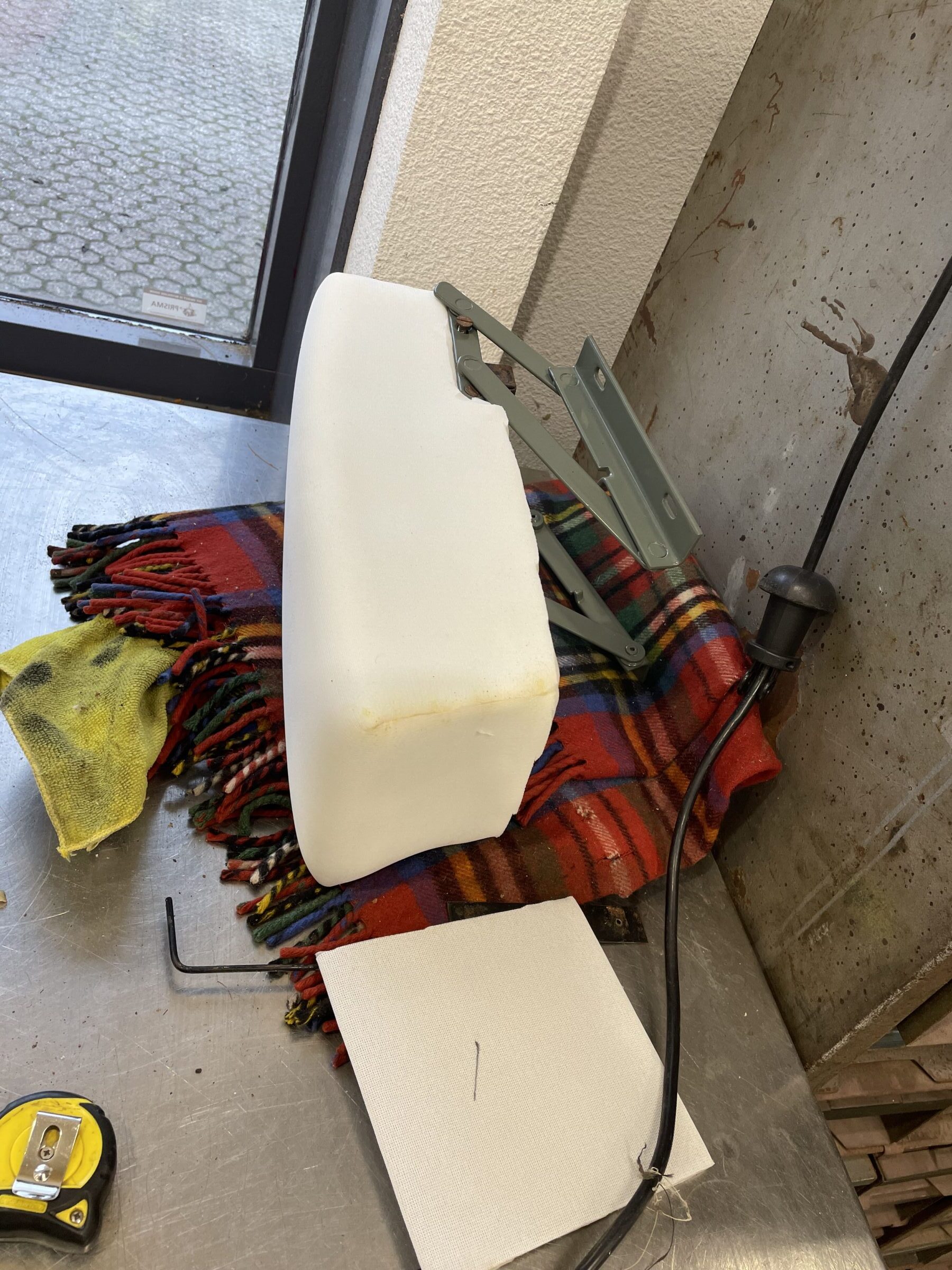
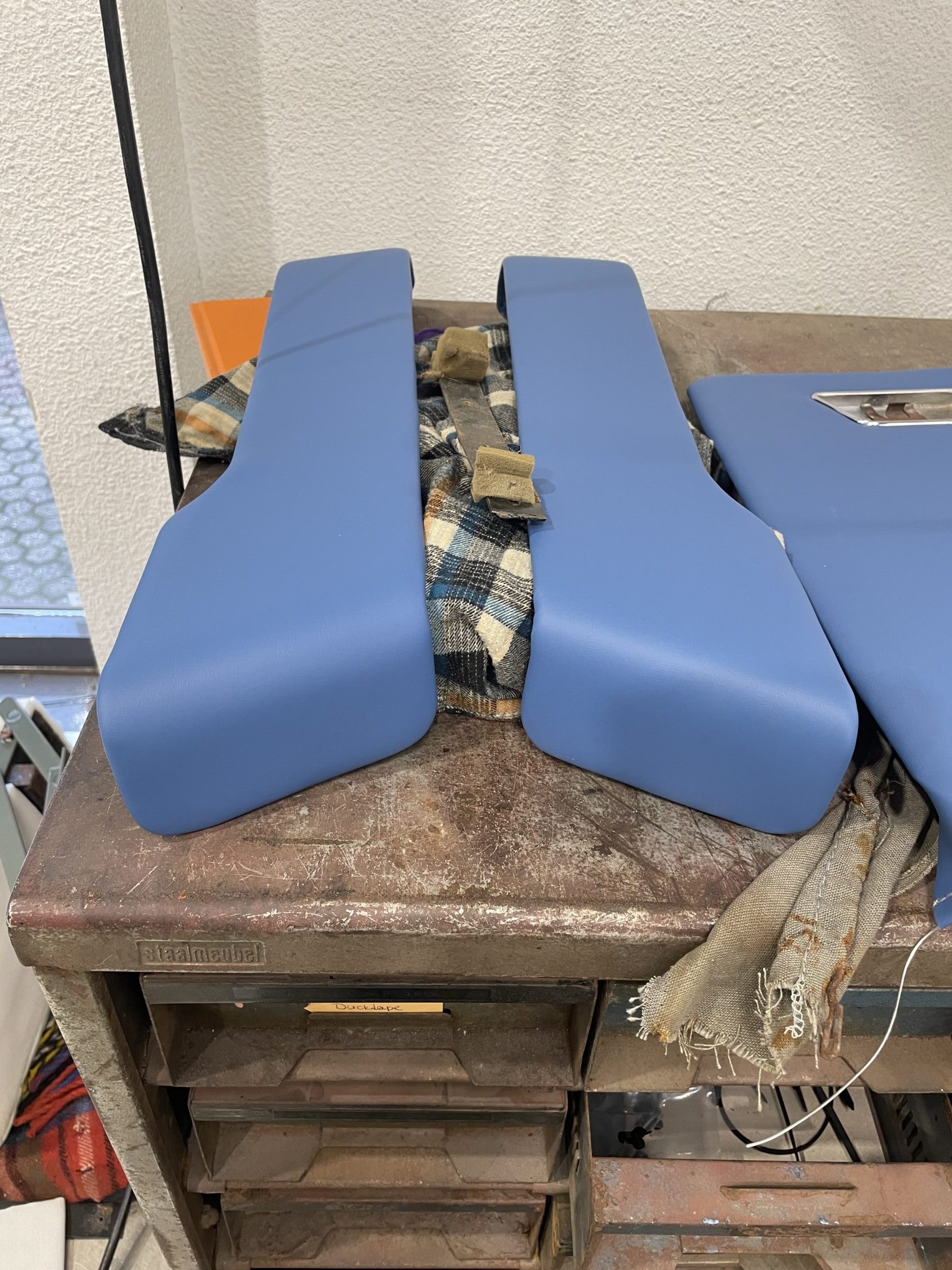
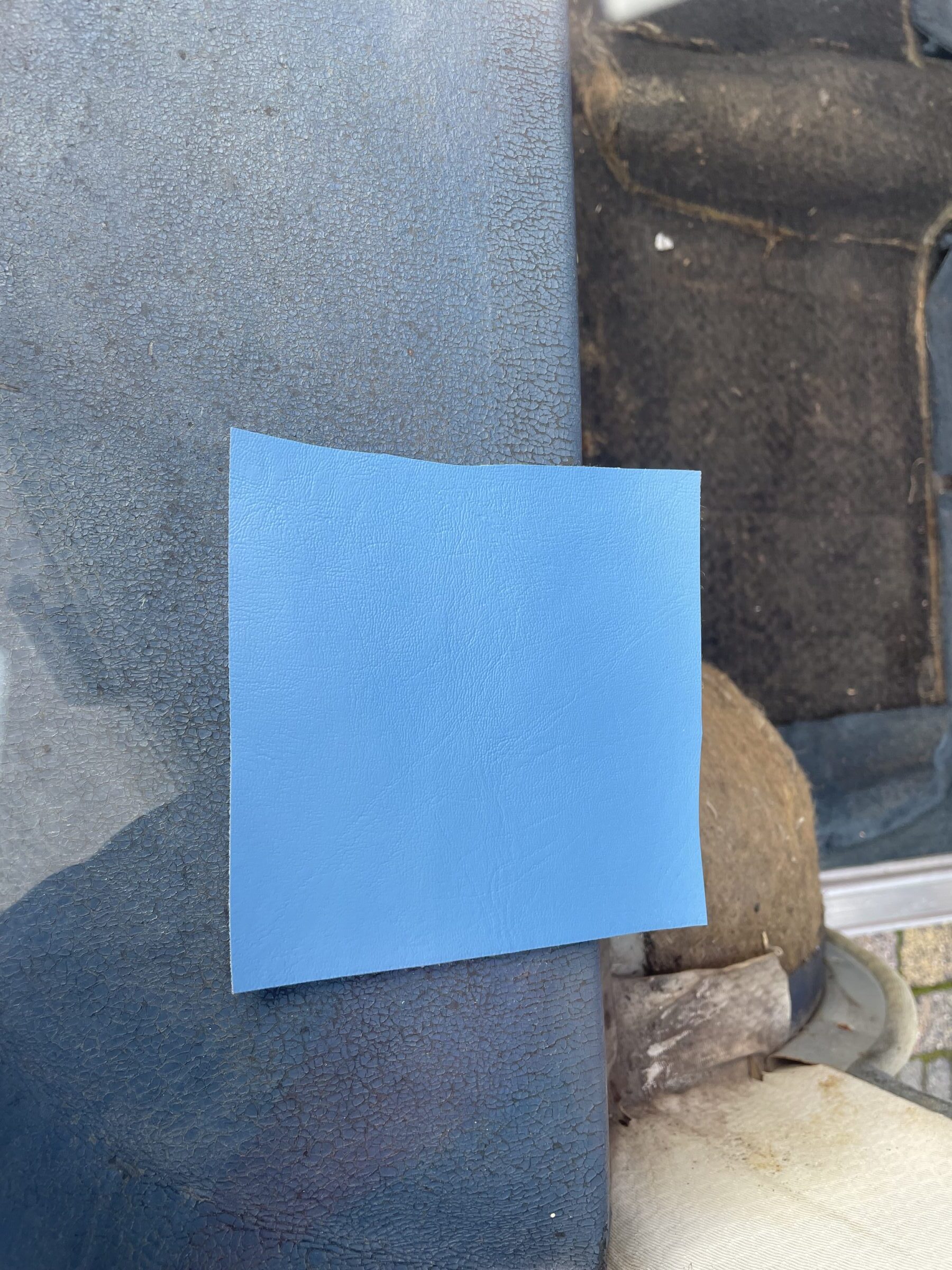
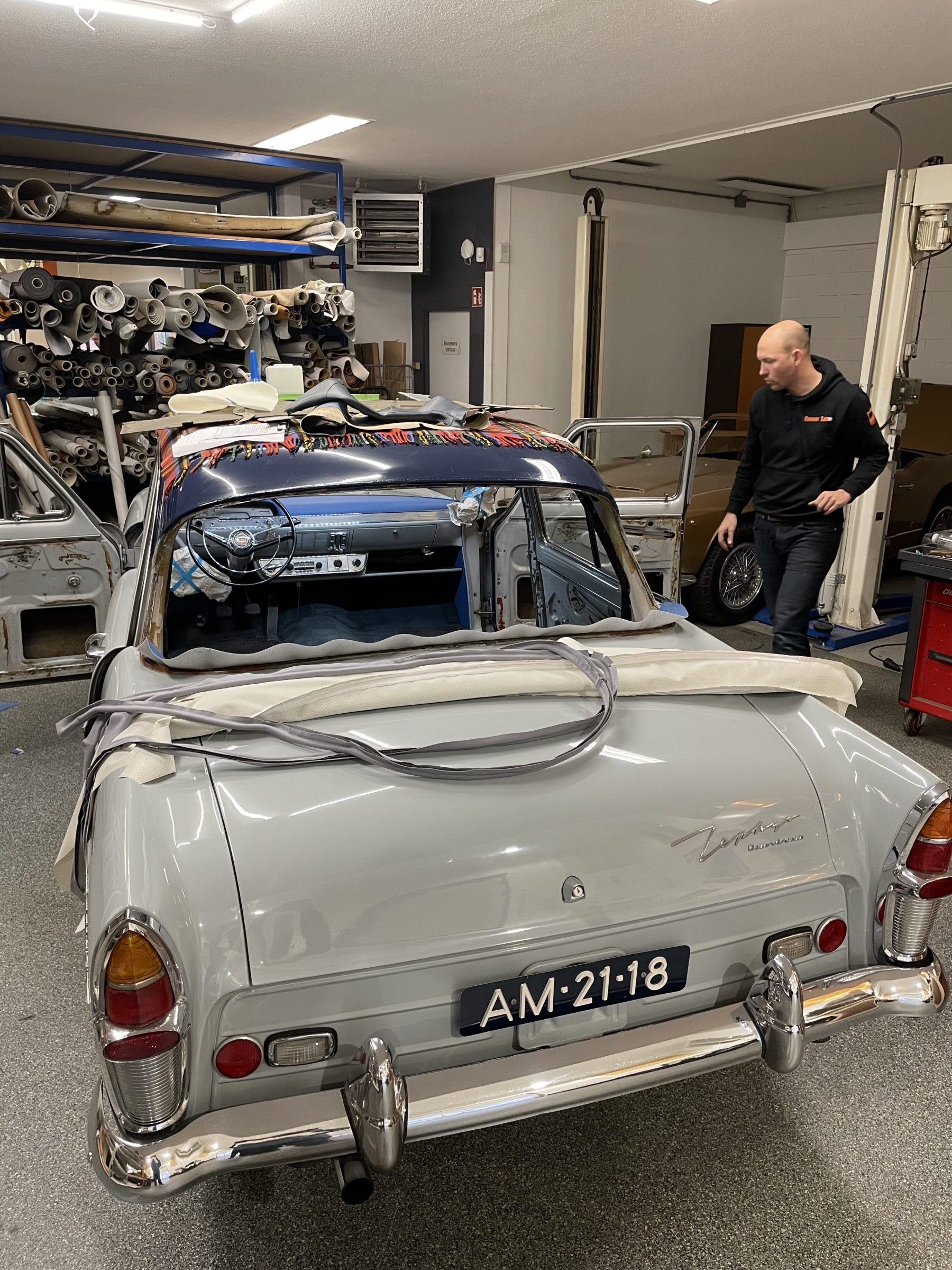
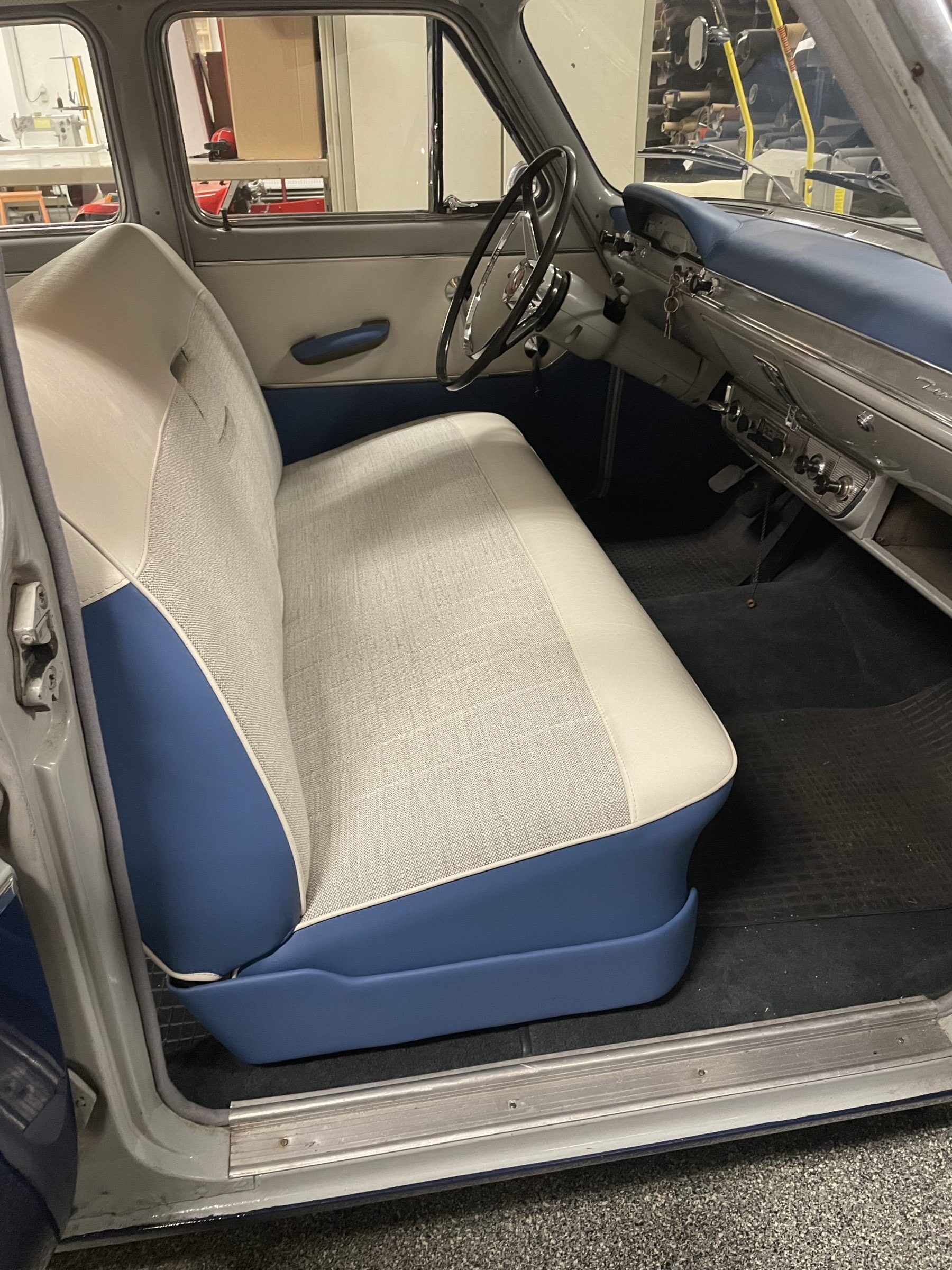
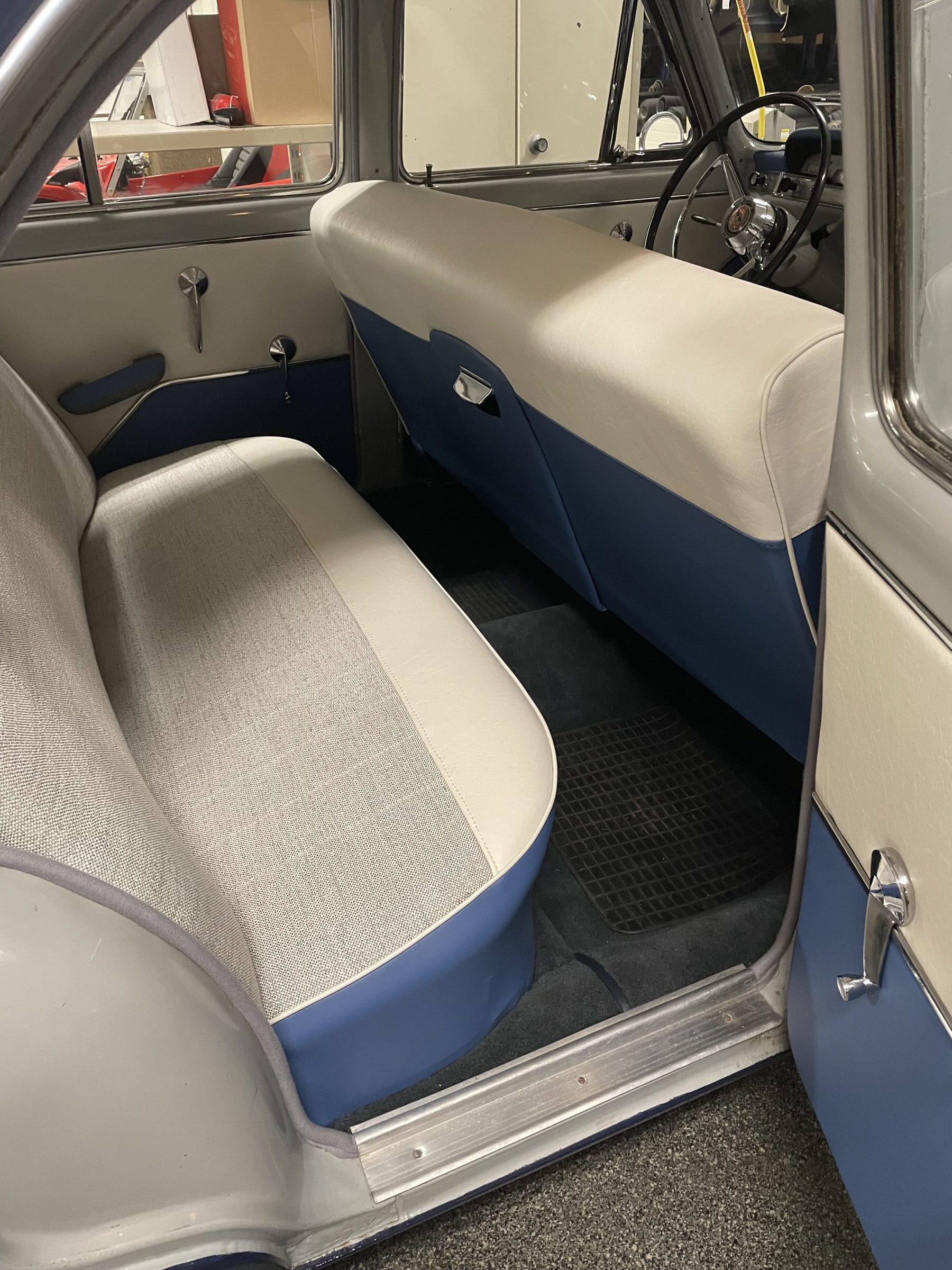
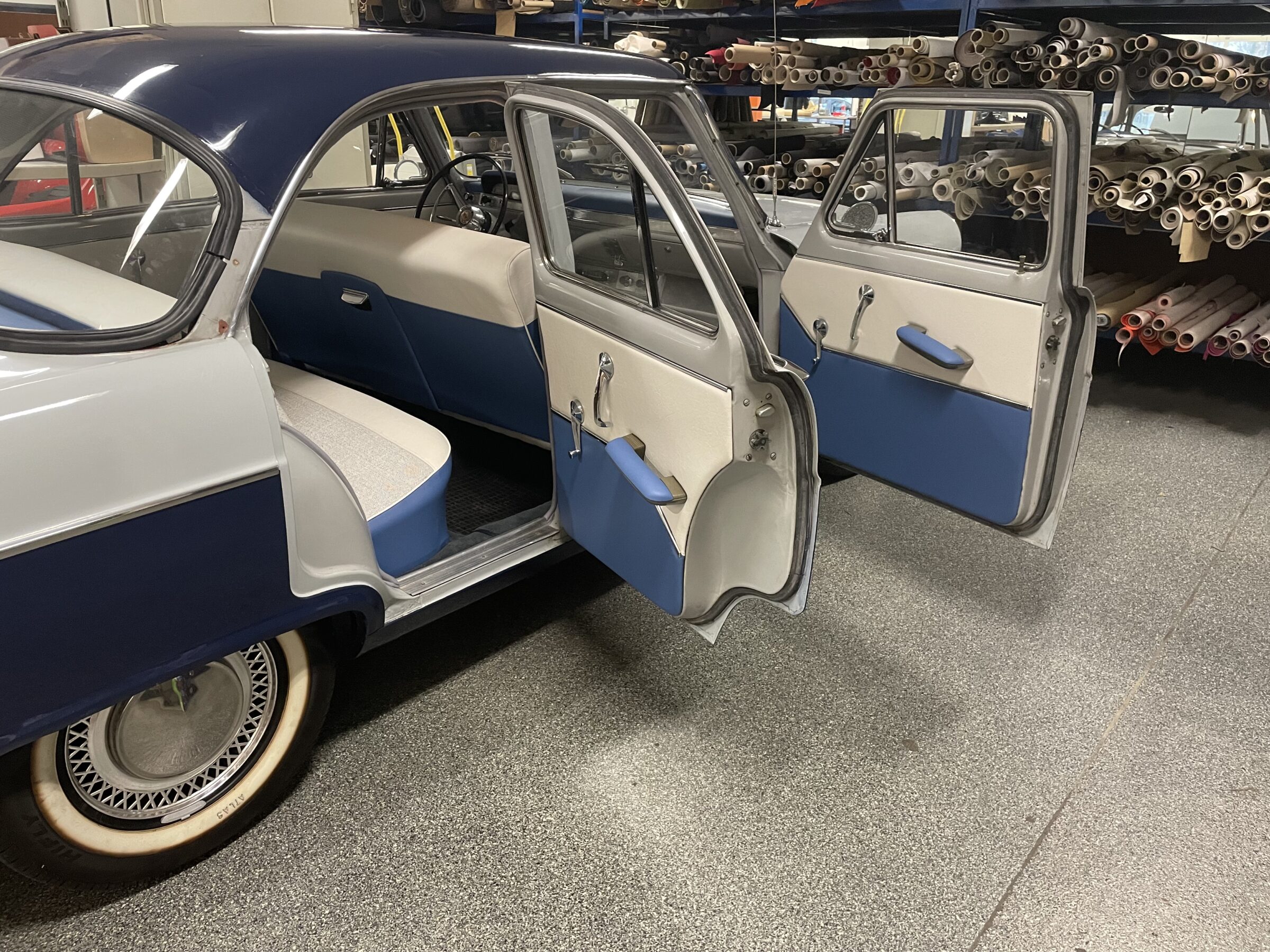
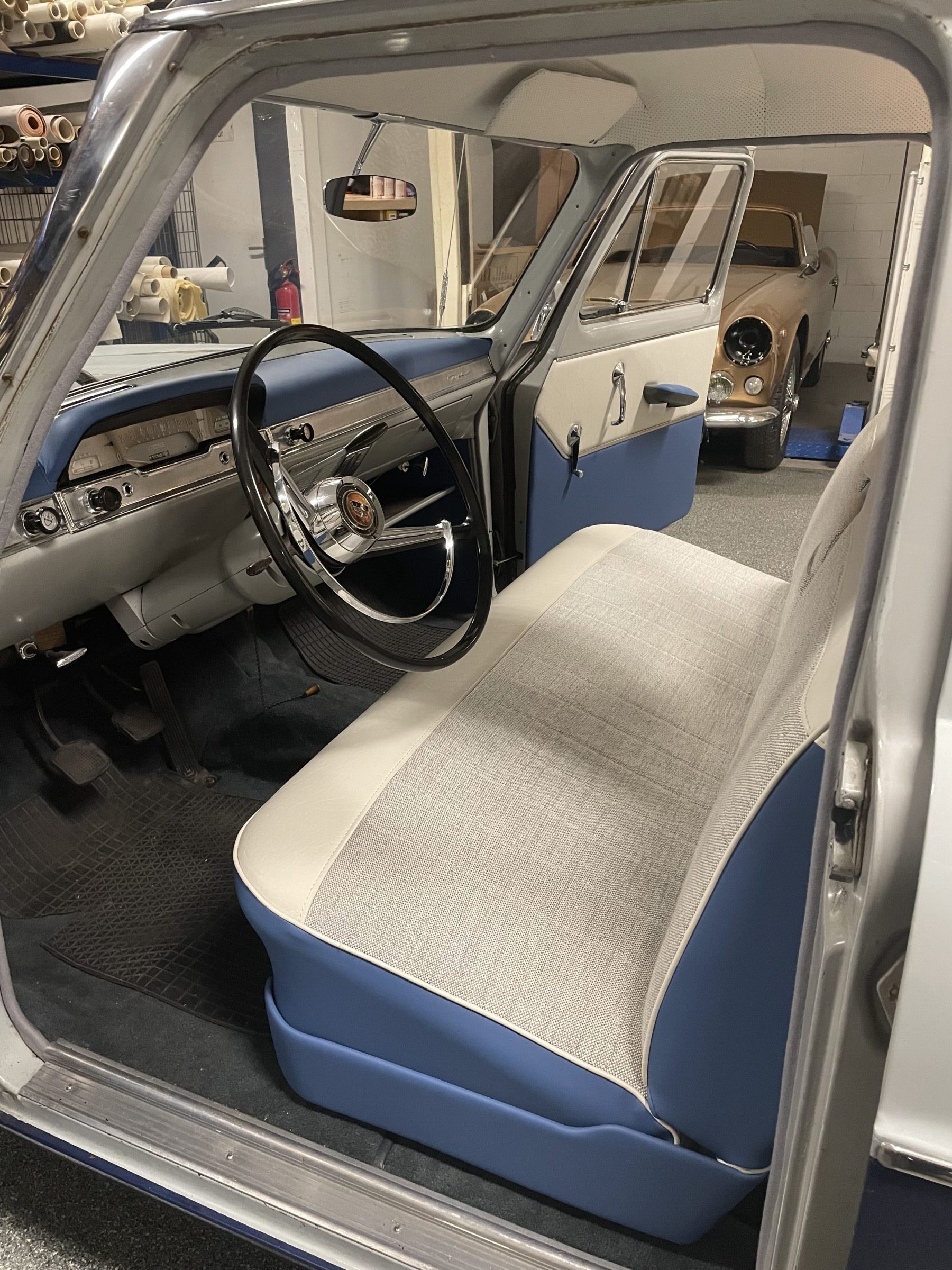
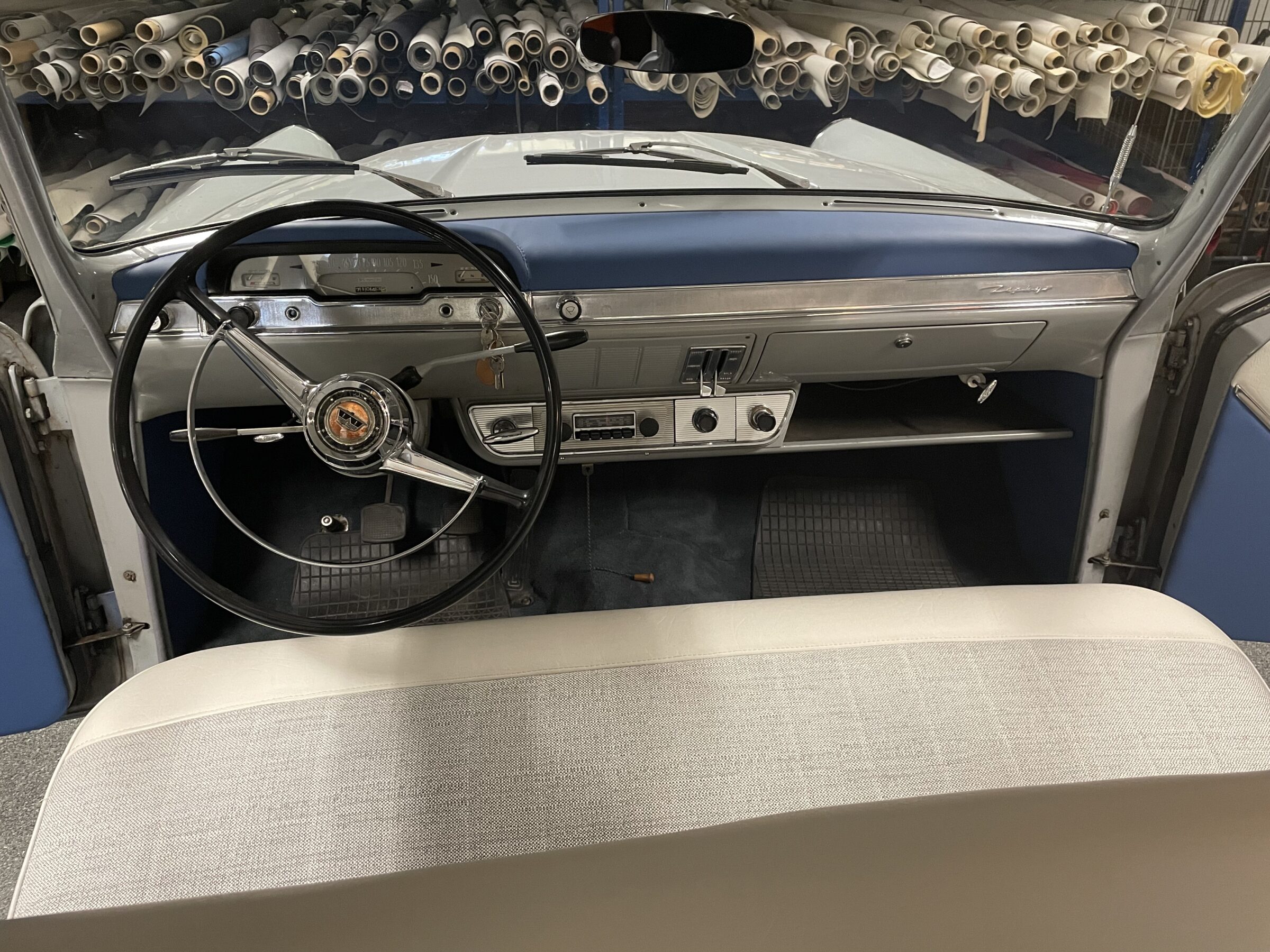
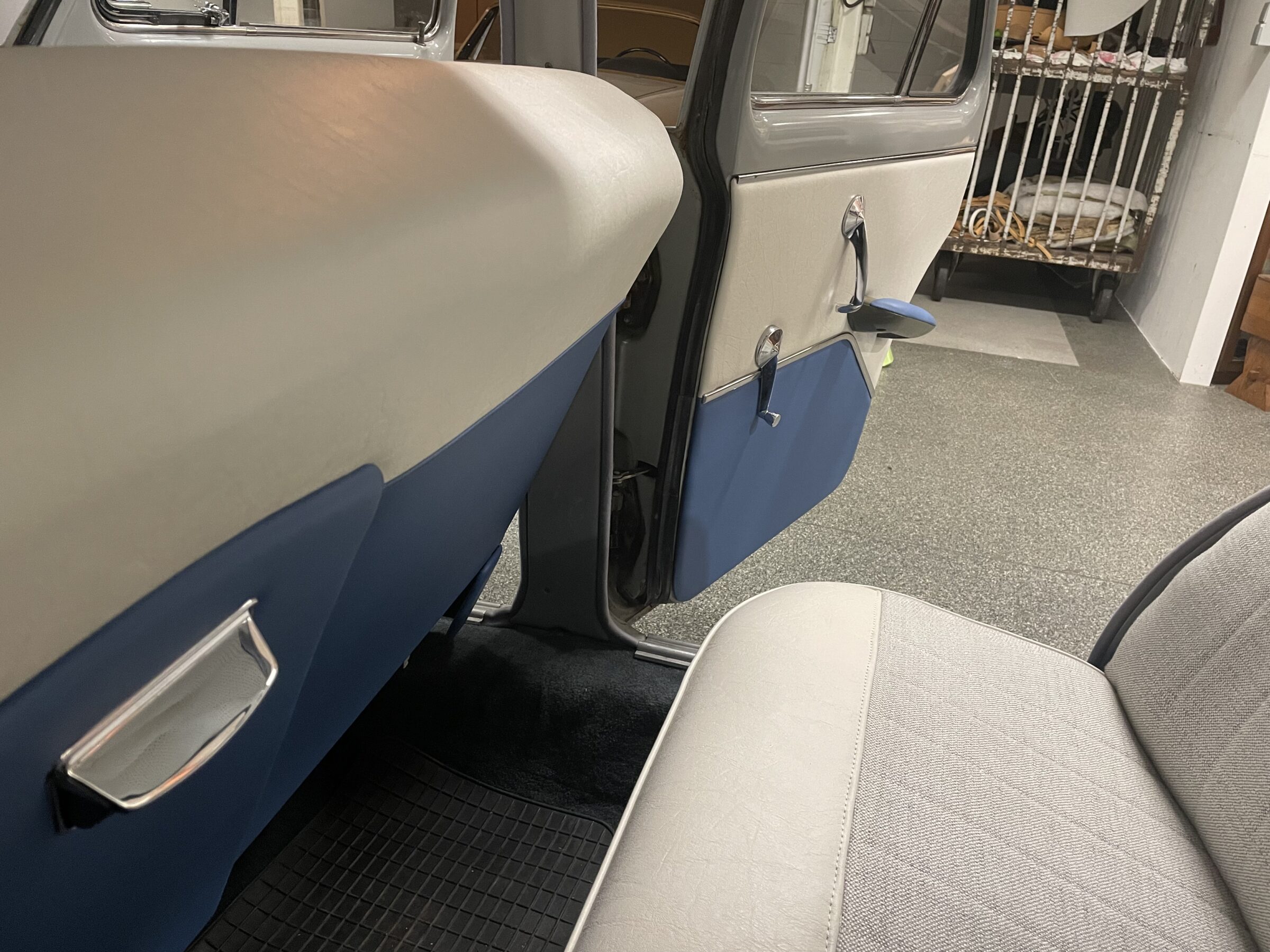
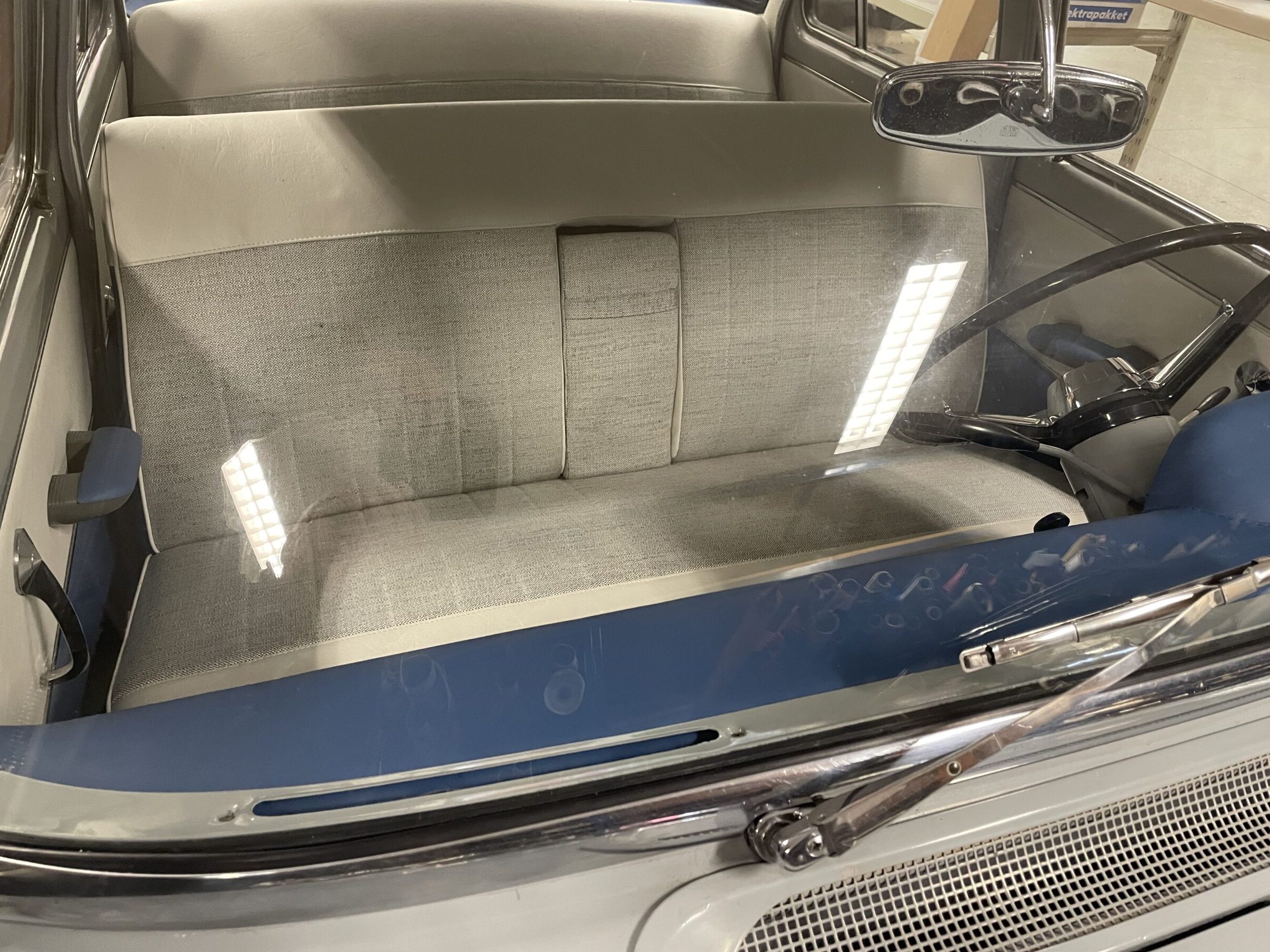
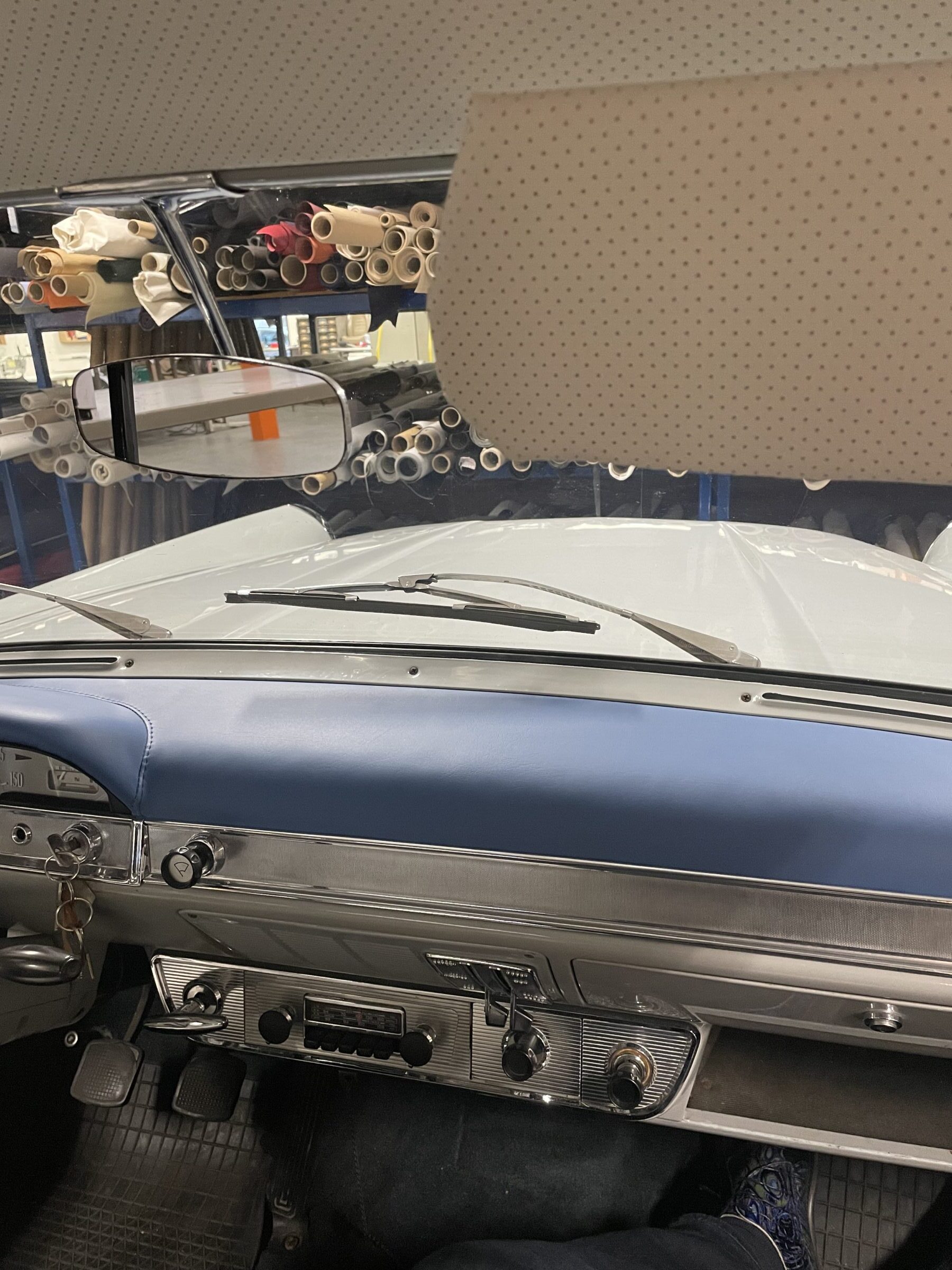
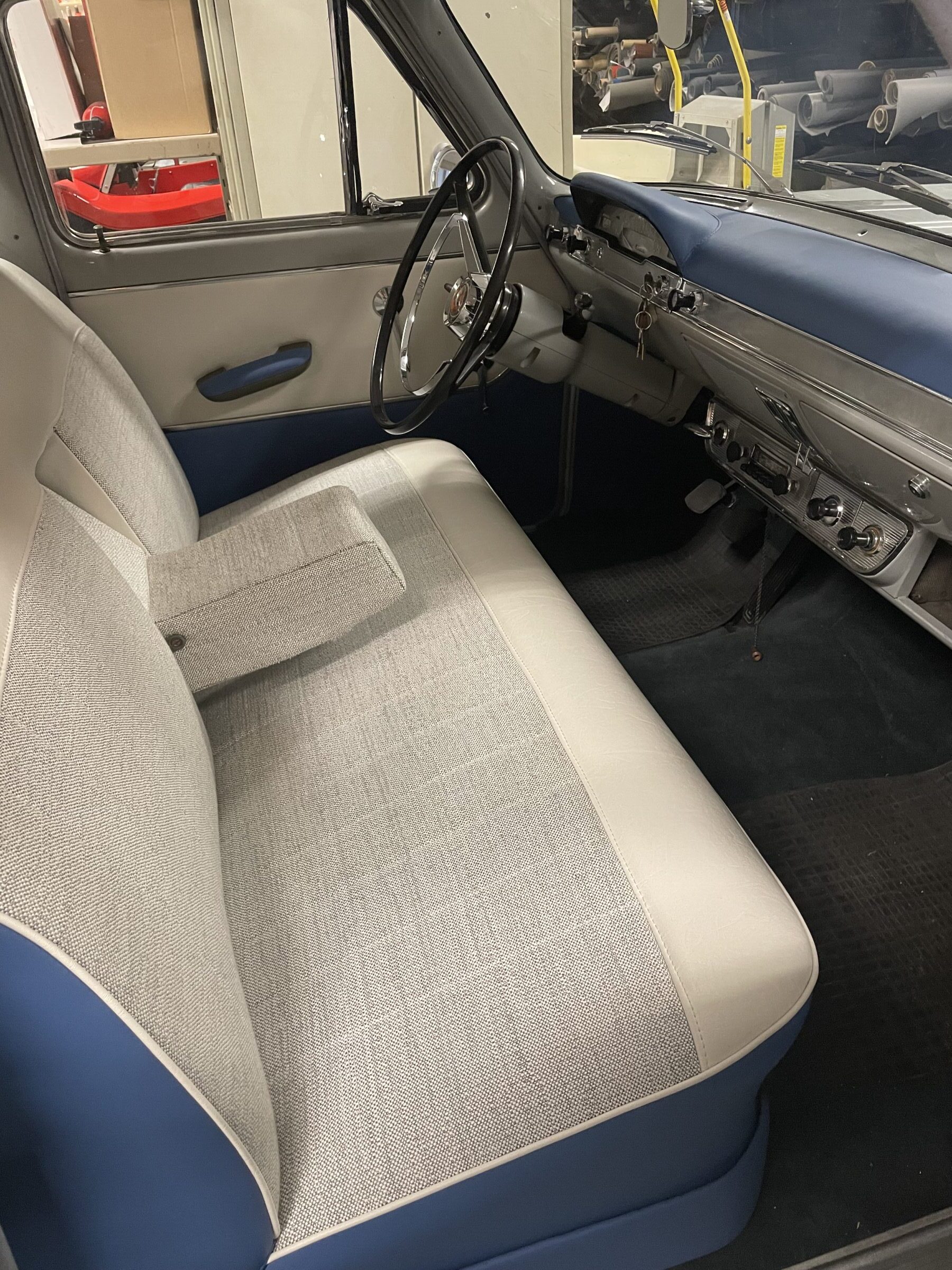
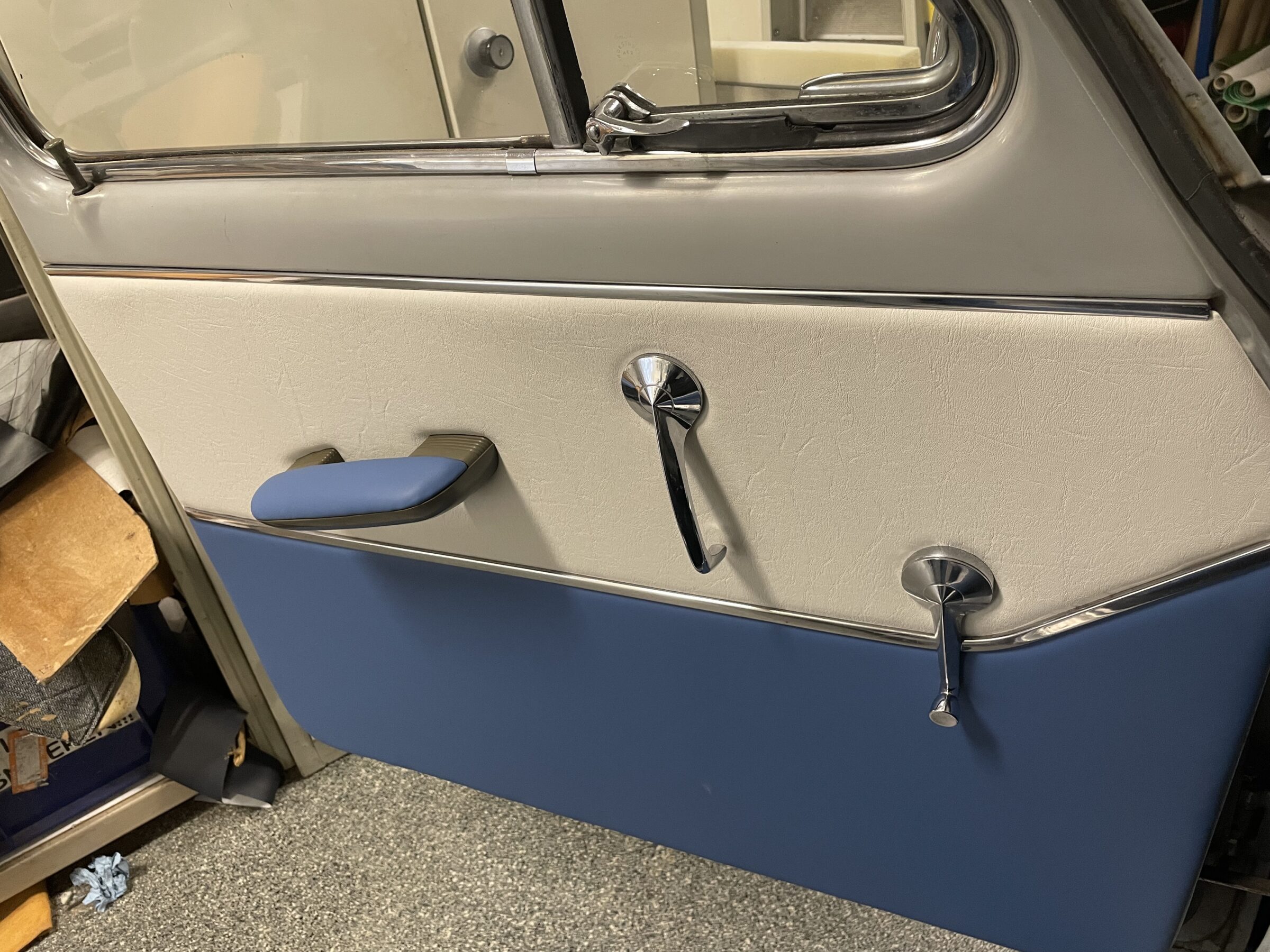
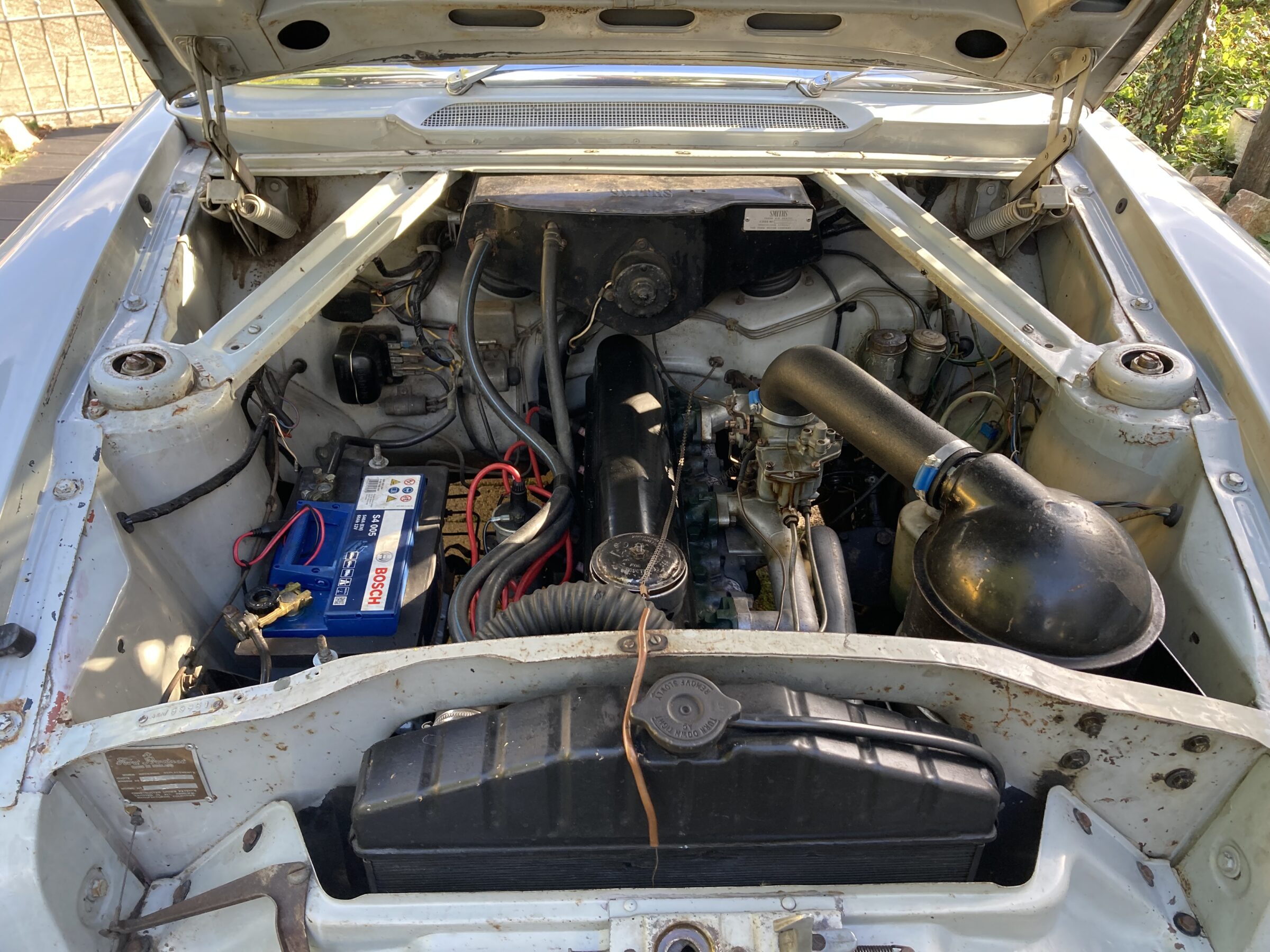
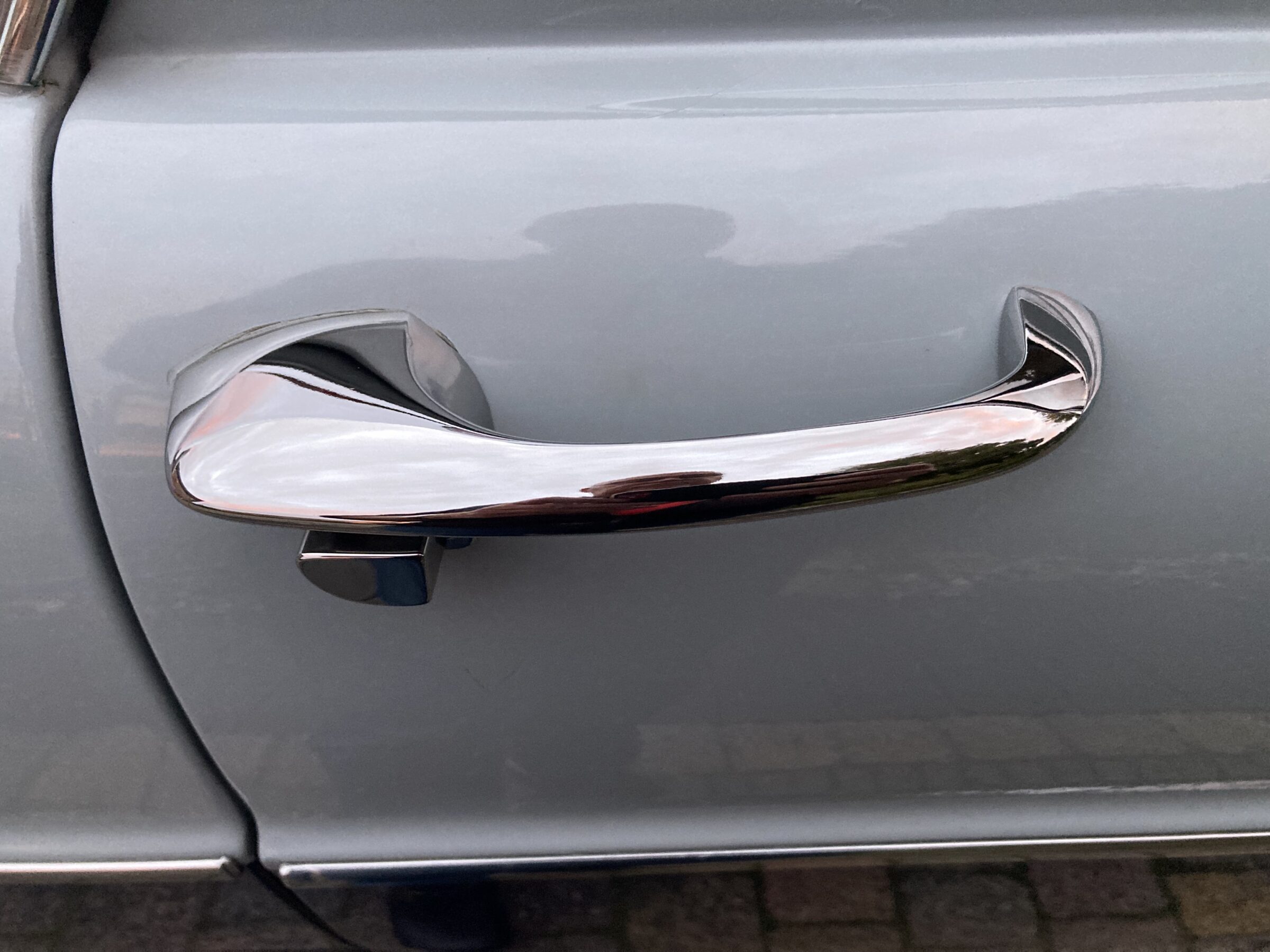
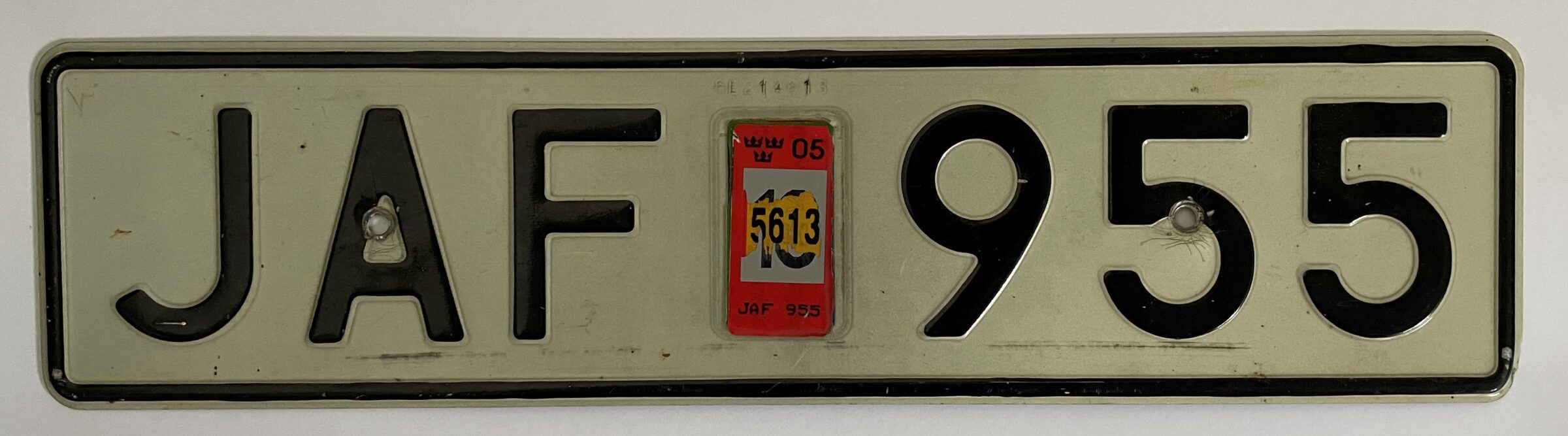
Before you stands a Ford Zephyr MK2 with overdrive, model number 206E. It was built in December 1959 in Dagenham (near London), UK, and subsequently shipped to Sweden, where it was registered in June 1960 (see the photo below). The car was brought to the Netherlands in 2005, and Robert van Vliet has been its proud owner since June 2022. He picked up where the previous owner left off in preserving this piece of British heritage, including by refurbishing the interior.
History
In 1956, the Consul, Zephyr, and Zodiac were all restyled by designer Colin Neale. The engines of the six-cylinder models were enlarged to 2,553 cc (156 cu in), with power output increased accordingly to 86 hp (64 kW). [7] The wheelbase was extended by 3 inches (76 mm) to 107 inches (2,700 mm), and the width increased to 69 inches (1,800 mm). Weight distribution and turning circle were also improved. Top speed rose to 88 mph (142 km/h), and fuel economy improved to 28 mpg-imp (10 L/100 km; 23 mpg-US).
Together with the Consul and the faster, more luxurious Zodiac, the Zephyr Mk2 formed the so-called “Three Graces.” This was the new generation of sedans from Ford of Britain, introduced in 1956. Watch the short promotional film here; shot at the Harringay Arena in 1957, which was created to announce the launch of the new Ford Consul, Zephyr, and Zodiac.
The Zodiac and Zephyr were also offered in two body styles; “Highline” and “Lowline,” depending on the model year, with the difference being a 1.75-inch (44 mm) reduction in the height of the roof panel. The “Highline” variant featured a semicircular instrument panel, whereas the “Lowline” had a more rectangular one. This higher roofline was adopted because wearing a hat while driving was still relatively common at the time. The roofline was lowered during the restyling for the 1959 model year, giving rise to the terms “Highline” and “Lowline” models. Production continued until 1962.
In addition to a three-speed manual transmission, overdrive was optional, and from 1956 (1959 in Australia), a Borg Warner DG automatic transmission became available. Initially, drum brakes were fitted all round (with a larger lining area of 147 square inches or 950 cm²), but front disc brakes became optional in 1960 and standard from mid-1961 (in Australia, only four-wheel drum brakes were available; some dealers installed servo-assistance from 1961 onwards).
Although designed and primarily manufactured in Dagenham, UK, the “Three Graces” were assembled in smaller numbers in many locations around the world—including Antwerp, Amsterdam, Canada, and Australia, to name a few. In addition to the sedan, small batches of cars were converted into estate, convertible, and even pickup versions immediately after production; this work was carried out by external coachbuilders rather than in the factories. Despite their sales success, the cars were sold primarily in the UK, Australia, and New Zealand. On the European mainland, buyers tended to opt for models from Ford Germany (the Taunus). Consequently, only a limited number (11) of this generation of Zephyrs are currently registered in the Netherlands, illustrating just how rare a left-hand-drive Zephyr has become. More information on British Fords.
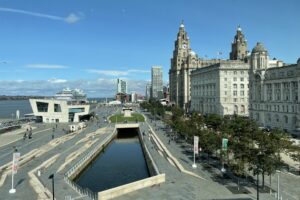
Owner Robert van Vliet named his Ford the “Everton Zephyr” to distinguish it from other Zephyrs. It is named after Everton; the Liverpool-based club and one of England’s oldest football teams, reflecting the car’s color scheme, which matches the club’s colors (blue). Additionally, Everton supporters use a melody from the TV series Z-Cars, a police drama from the 1960s and 70s in which the Ford Zephyr played a prominent role.
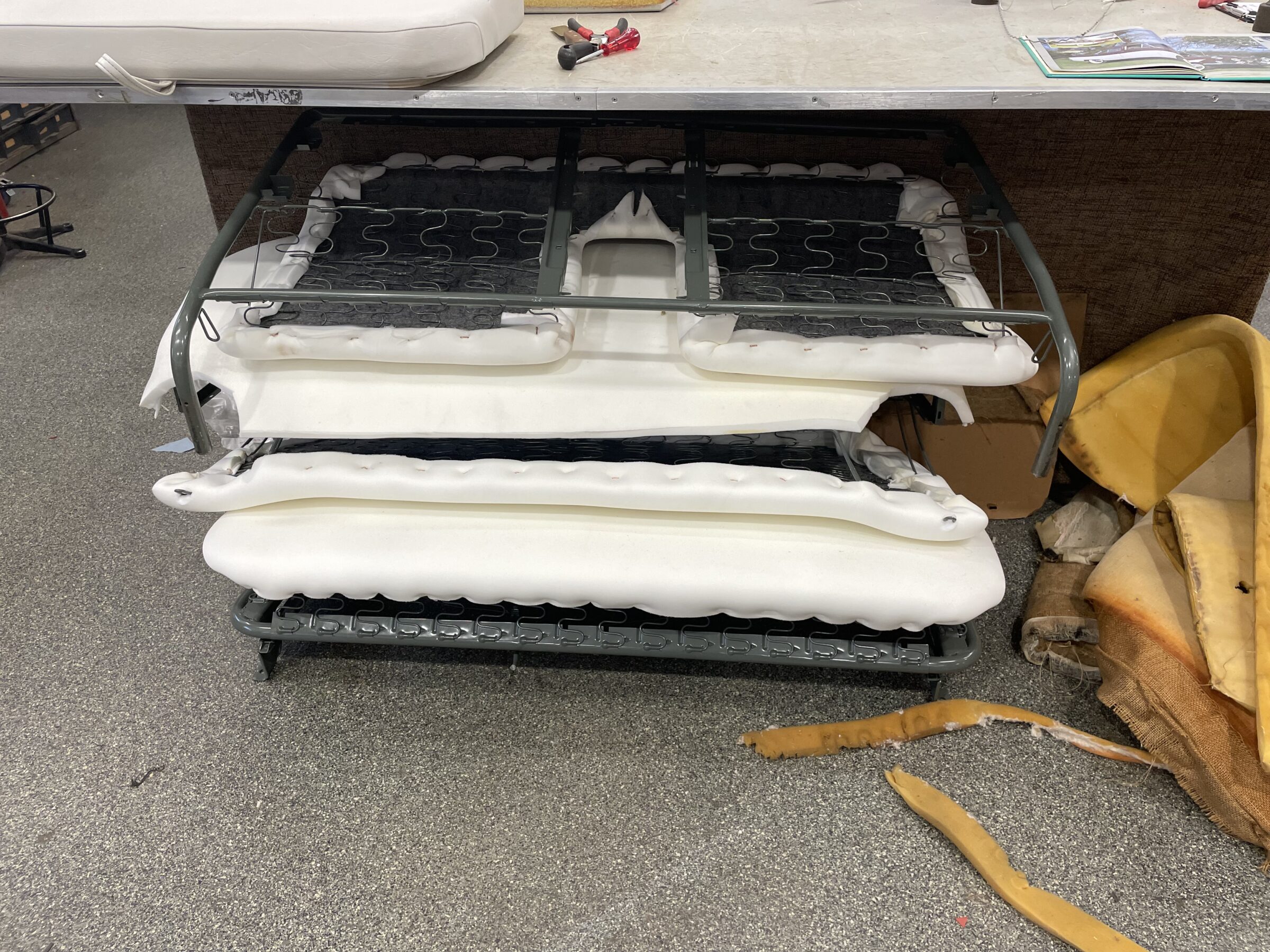
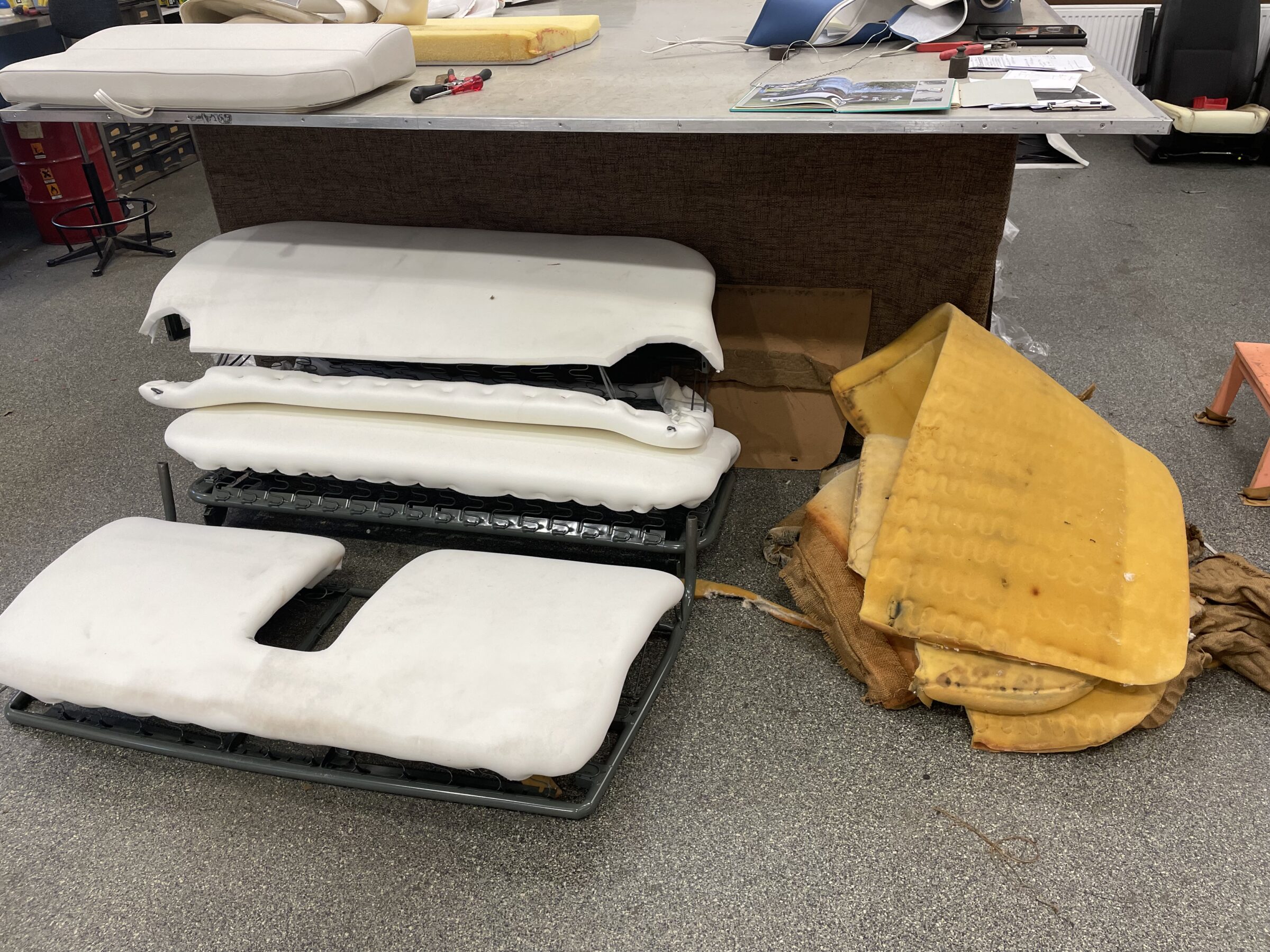
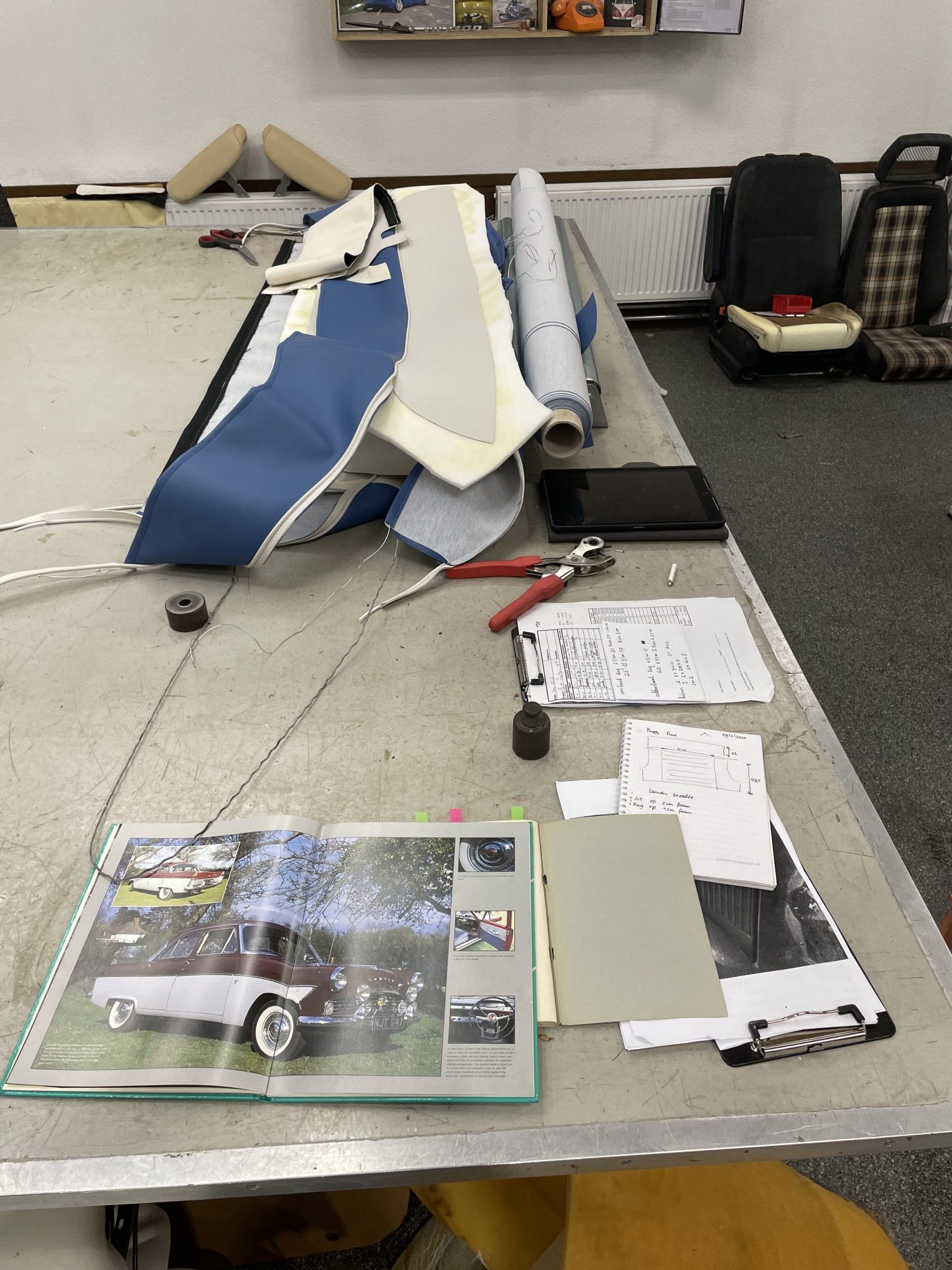
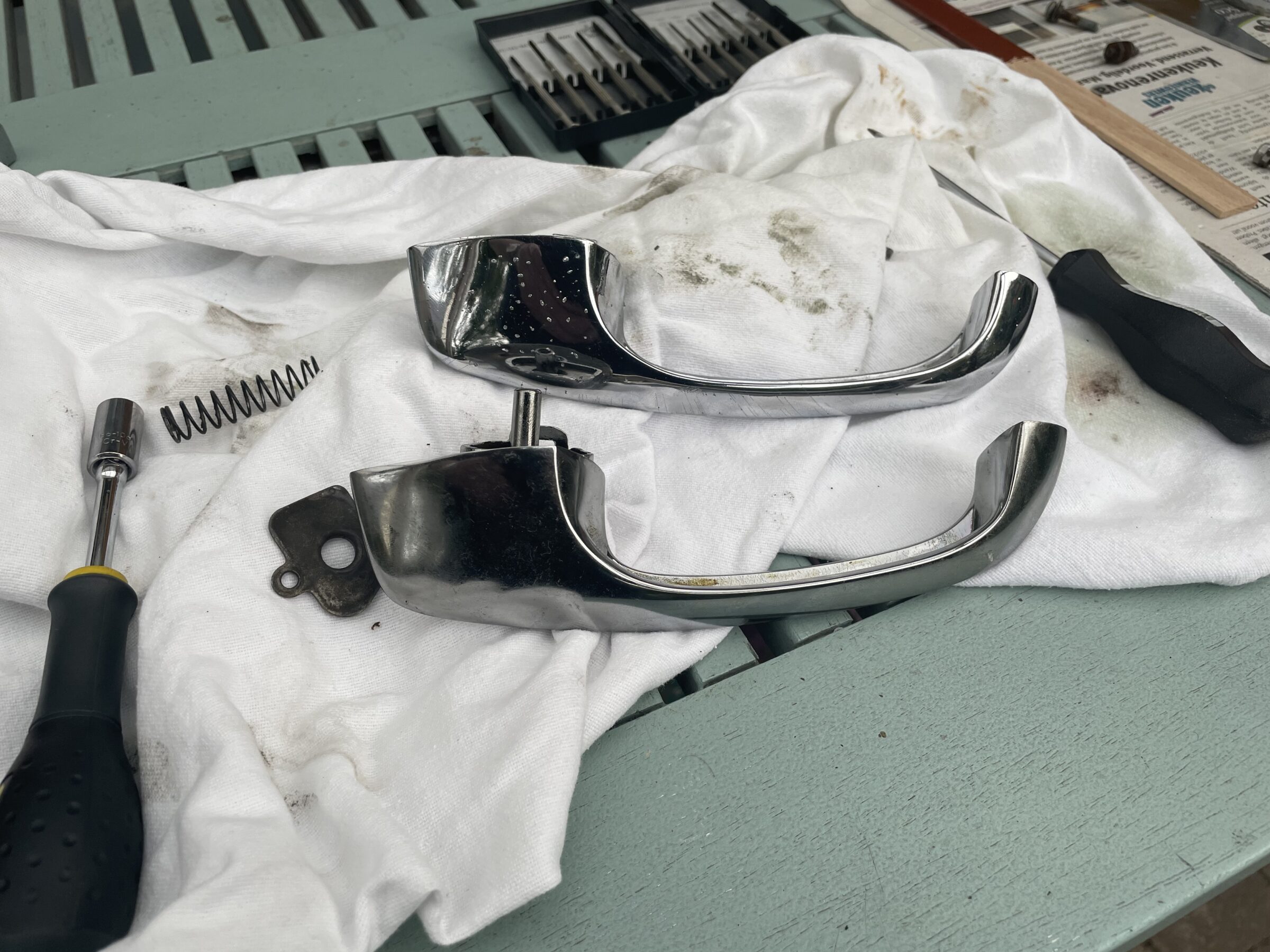
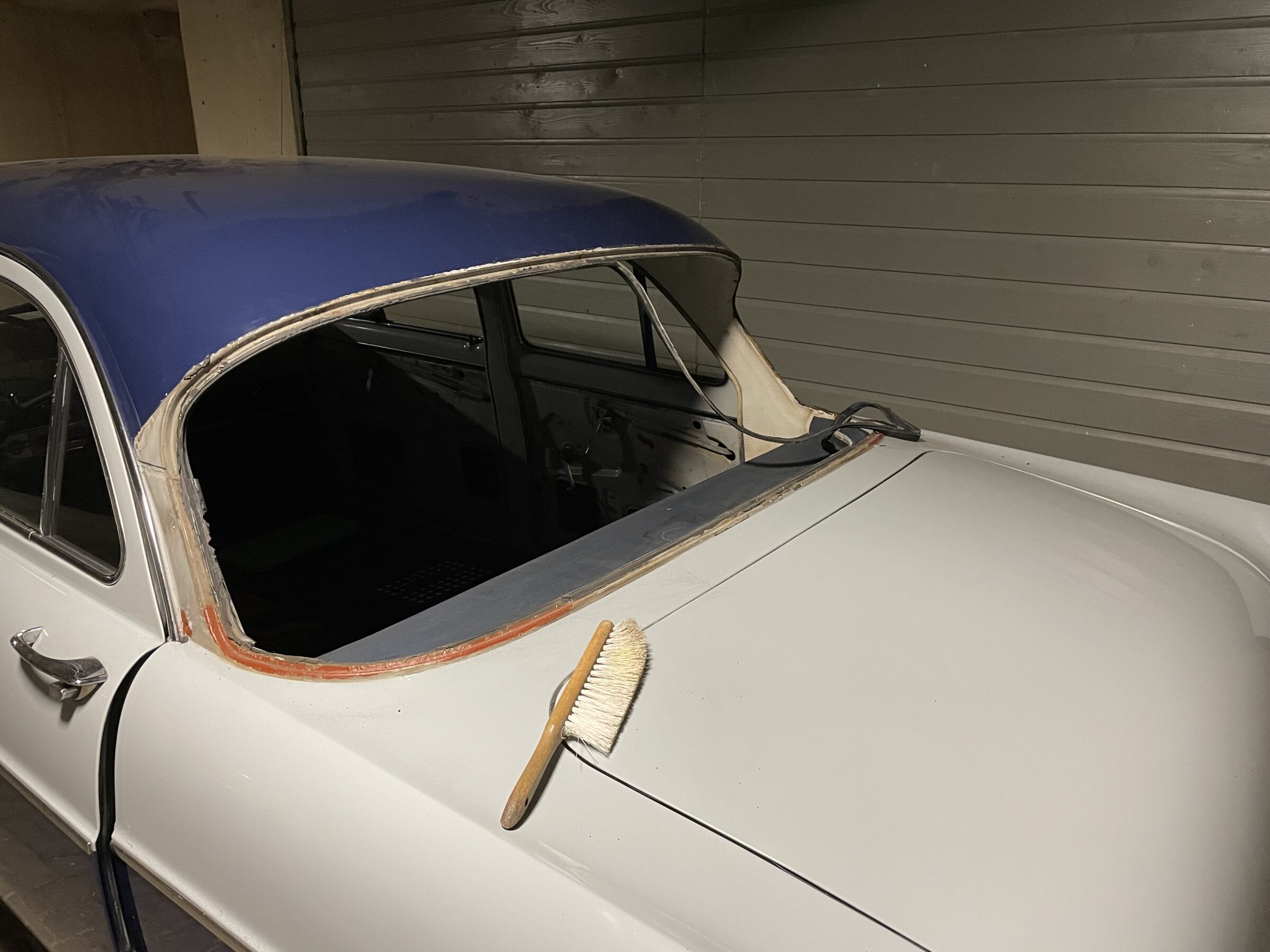
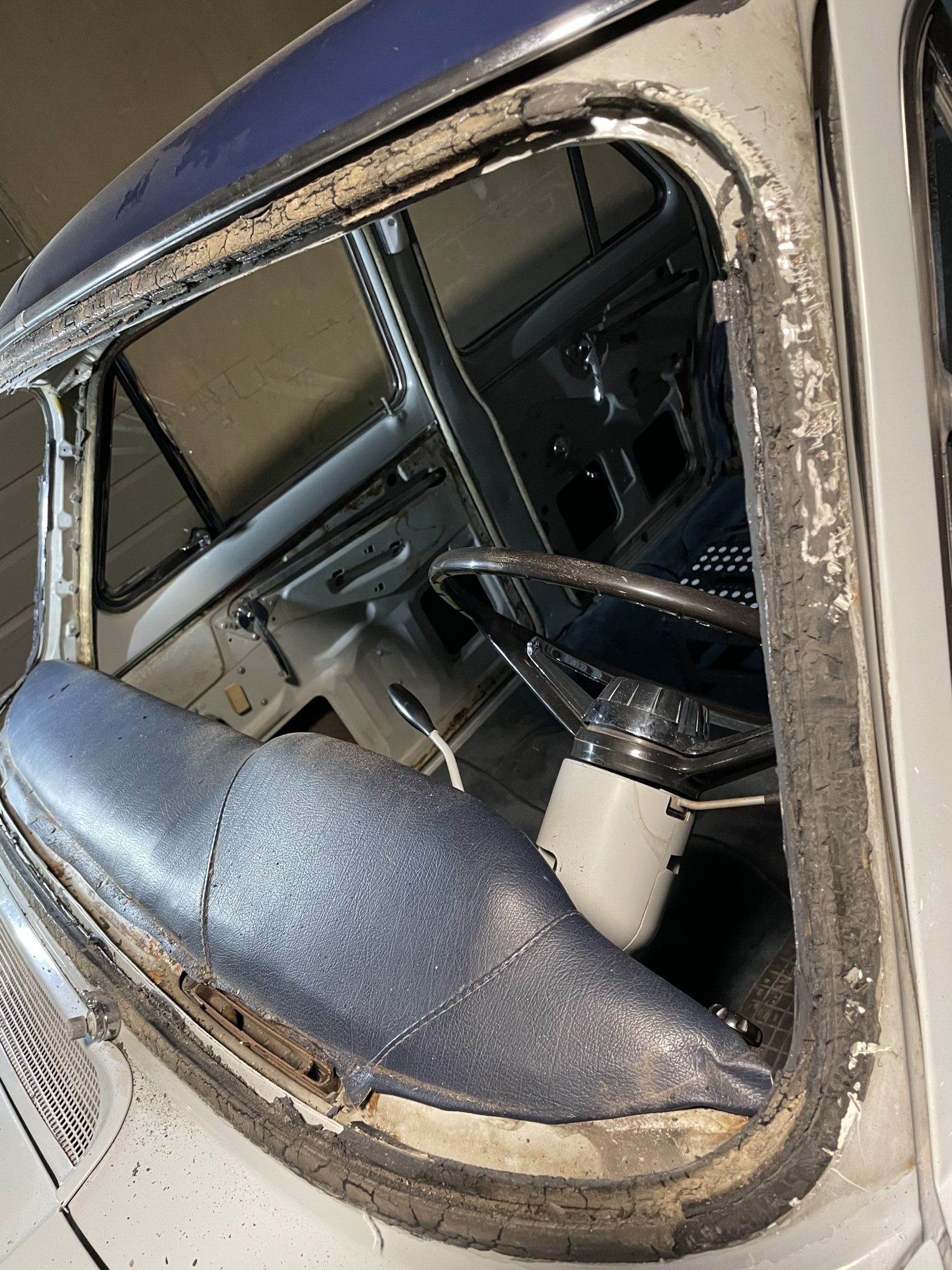
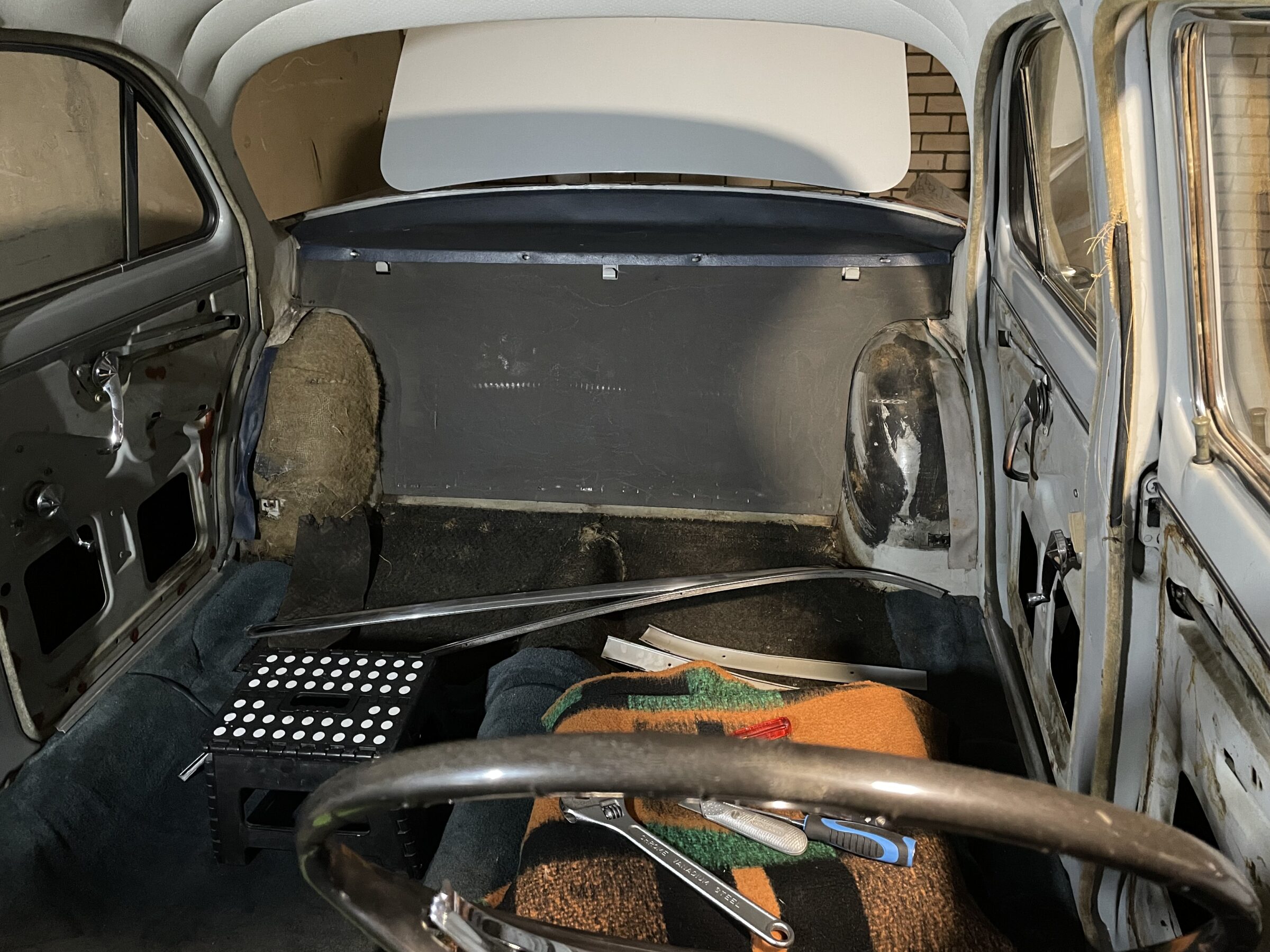
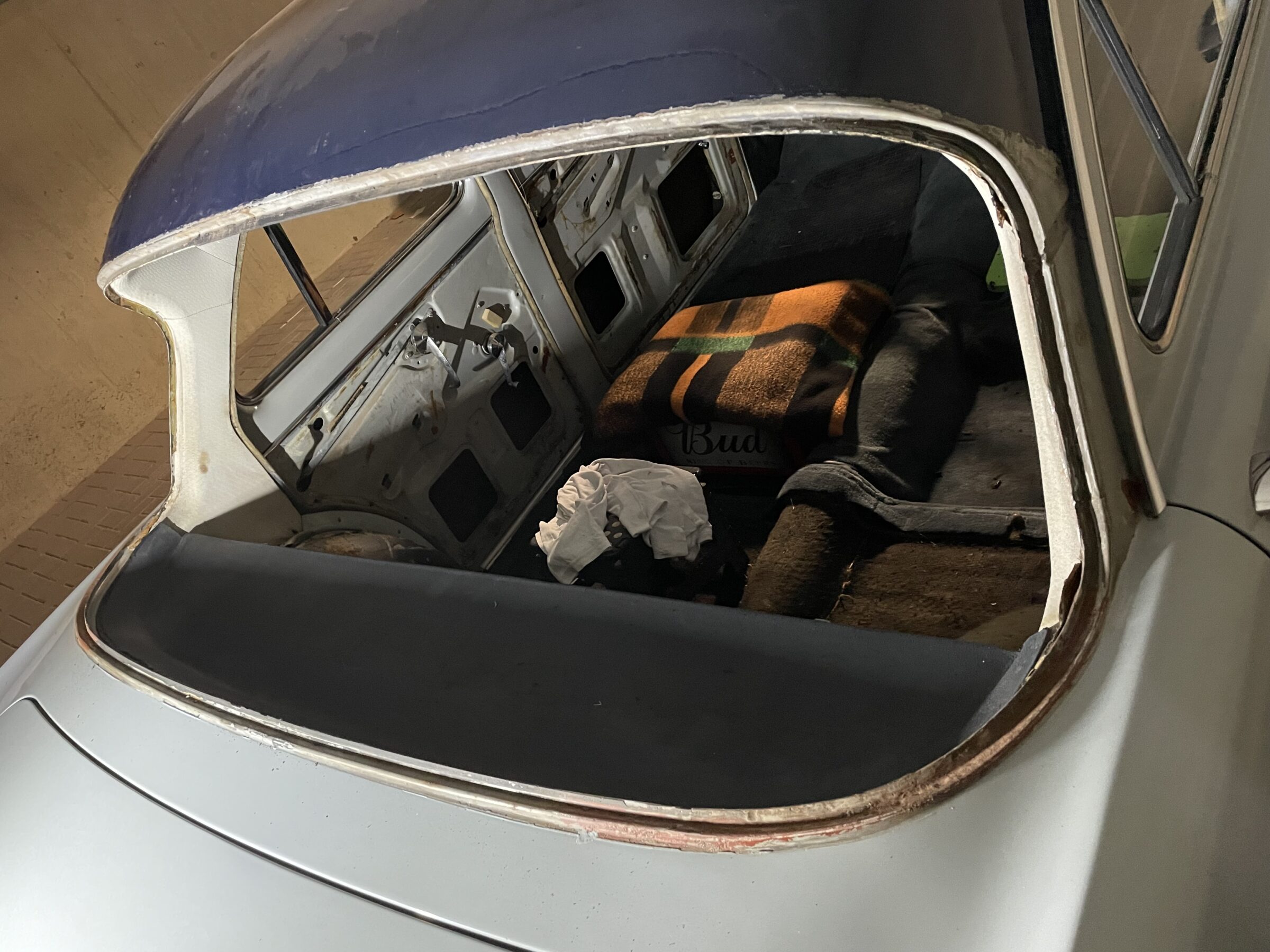
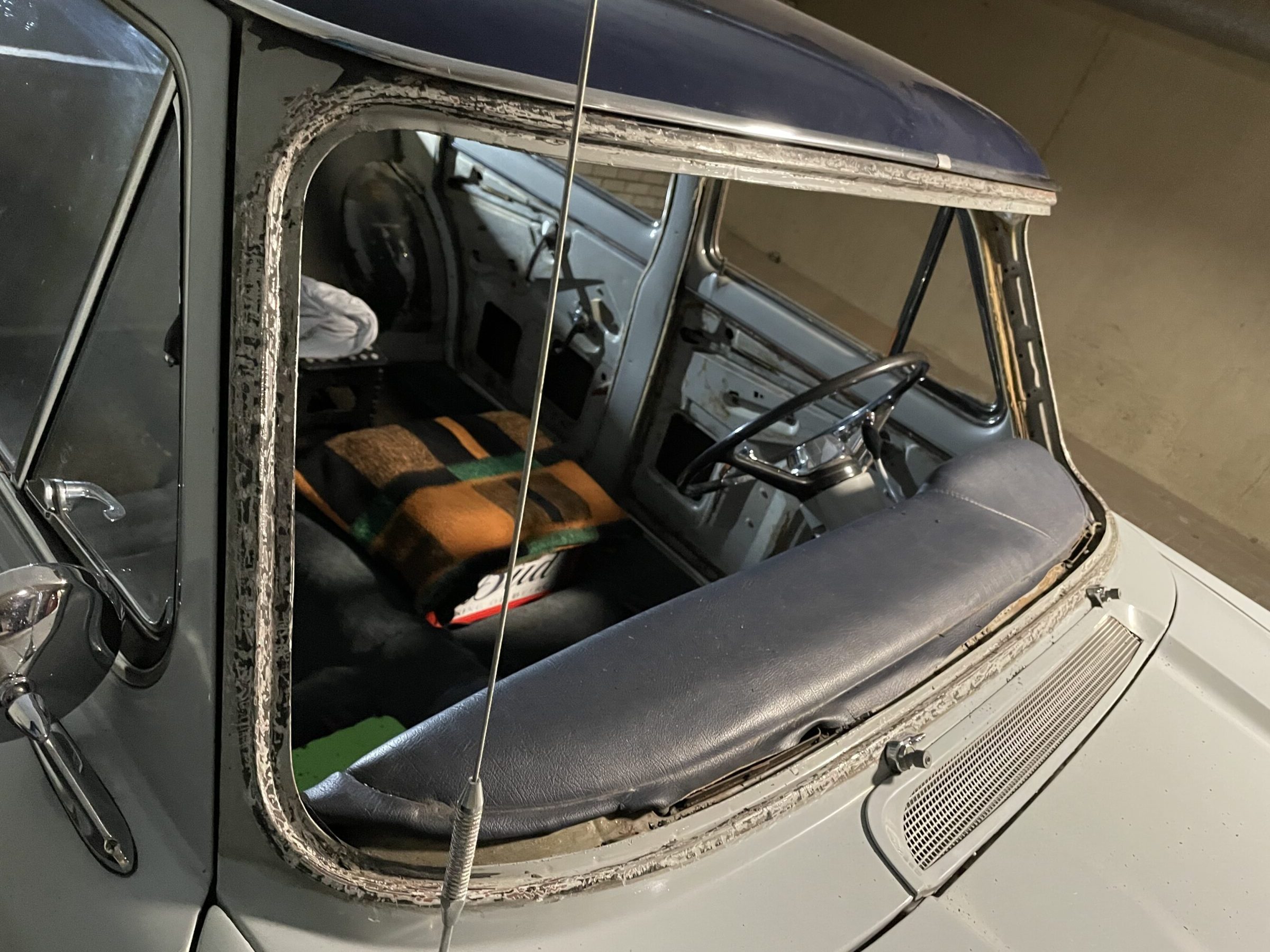
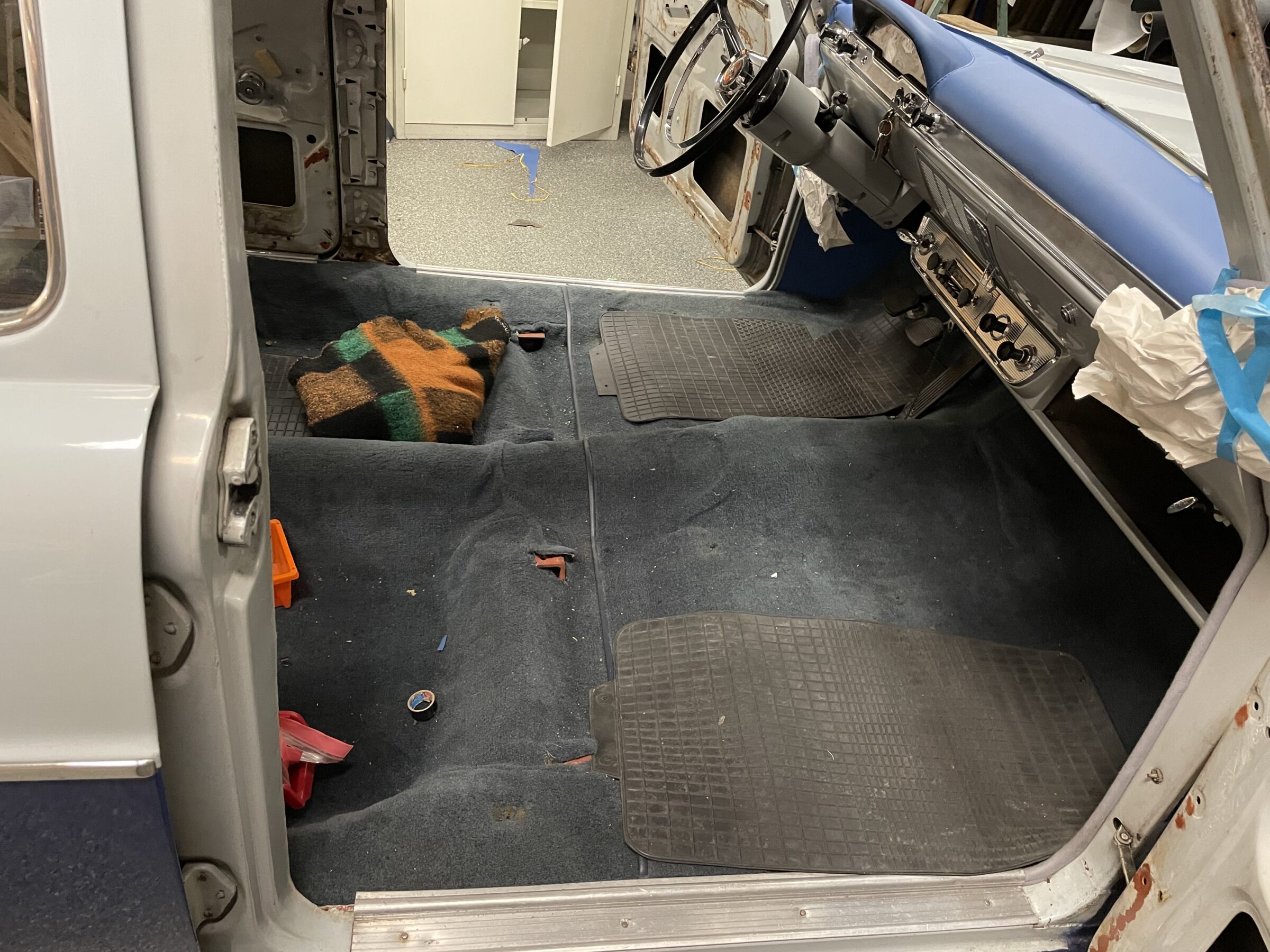
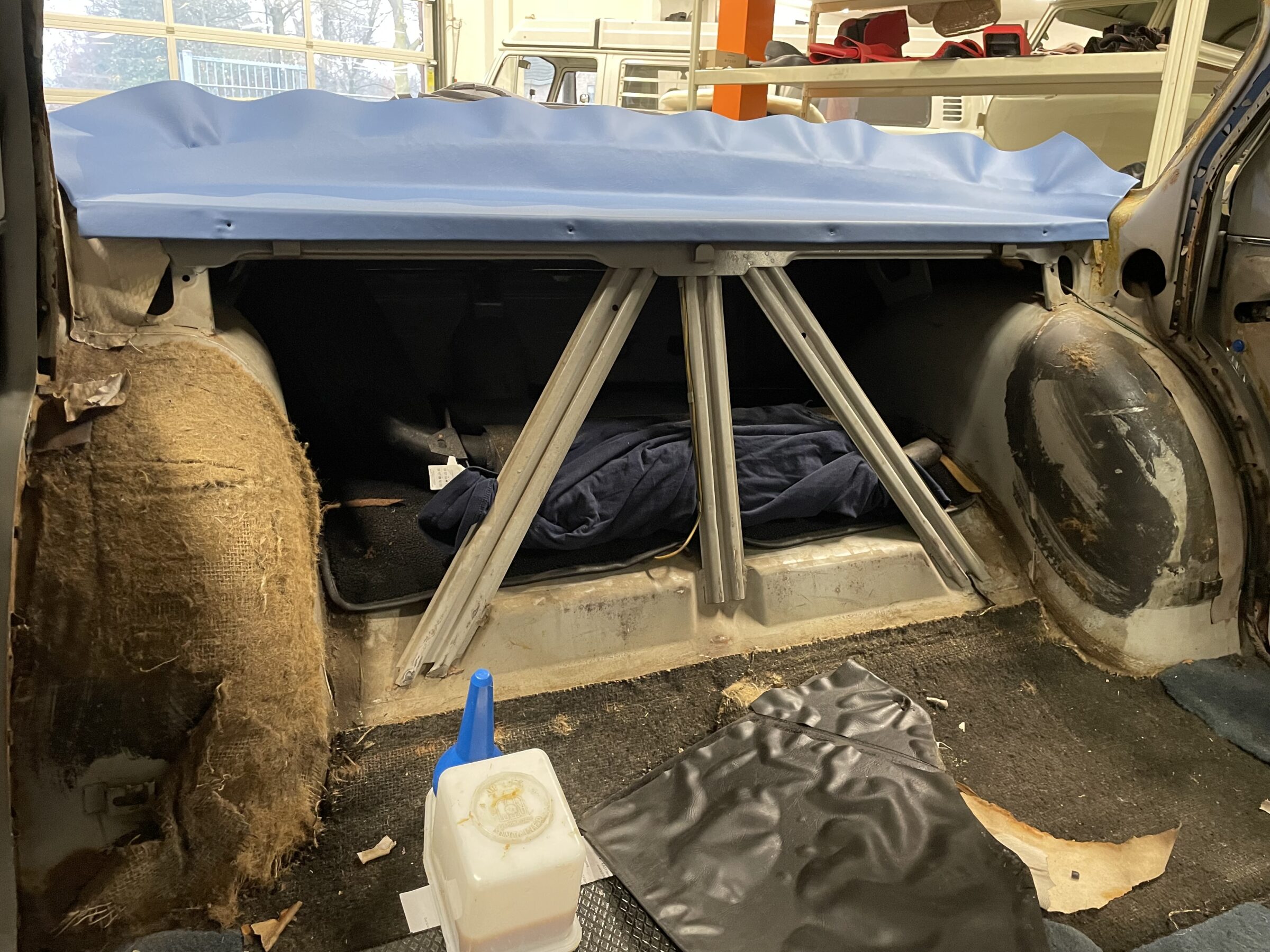
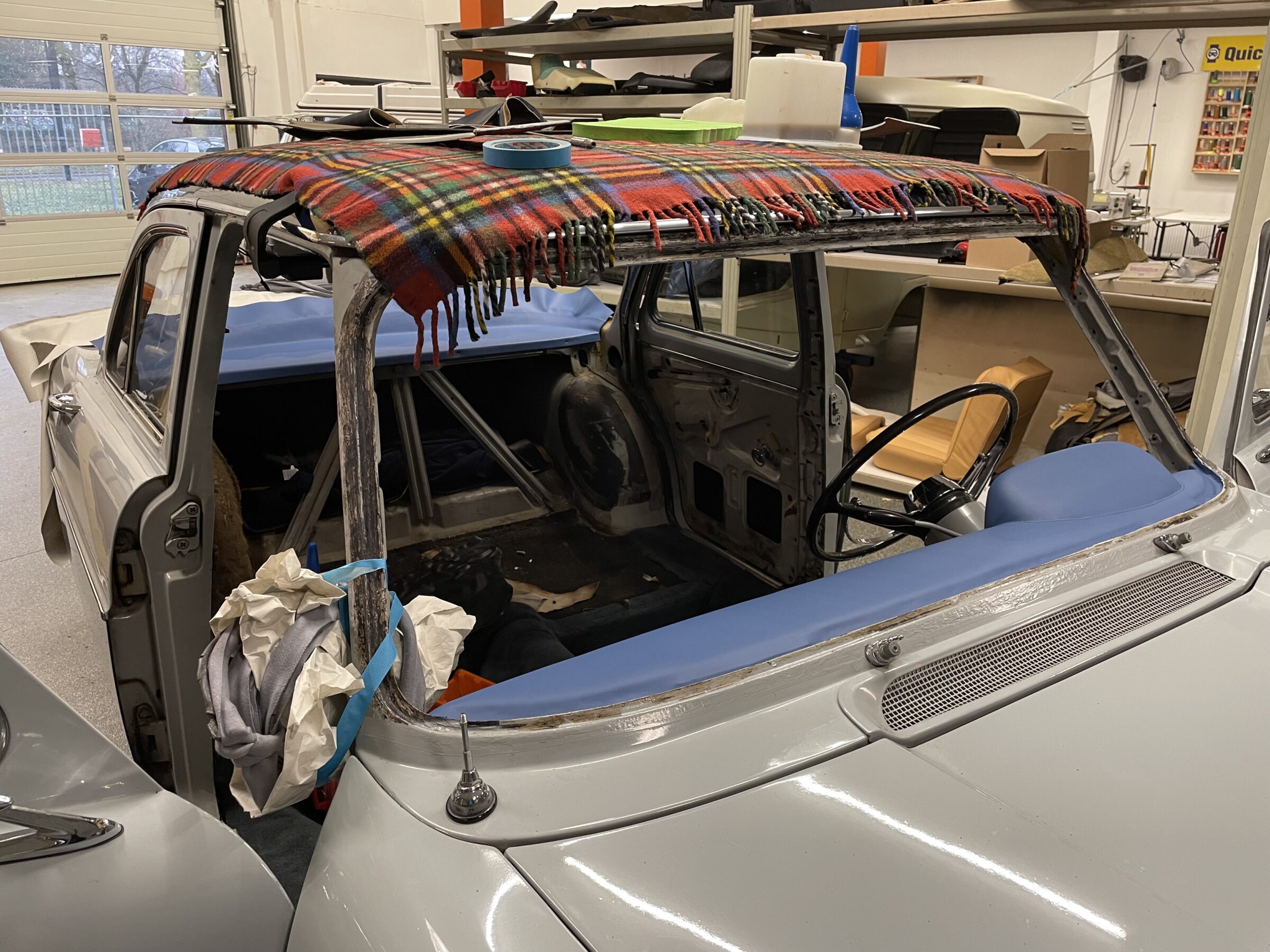
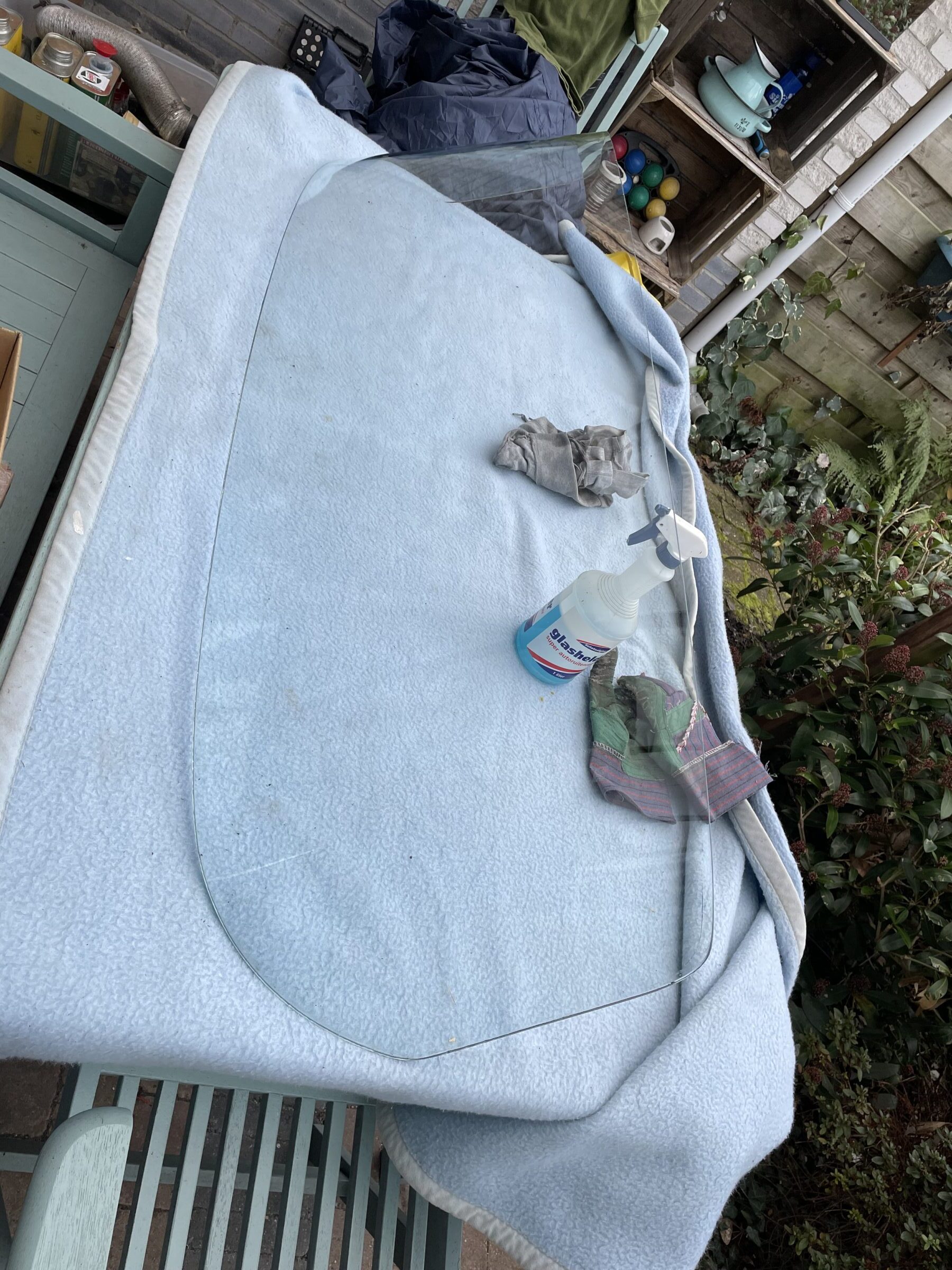
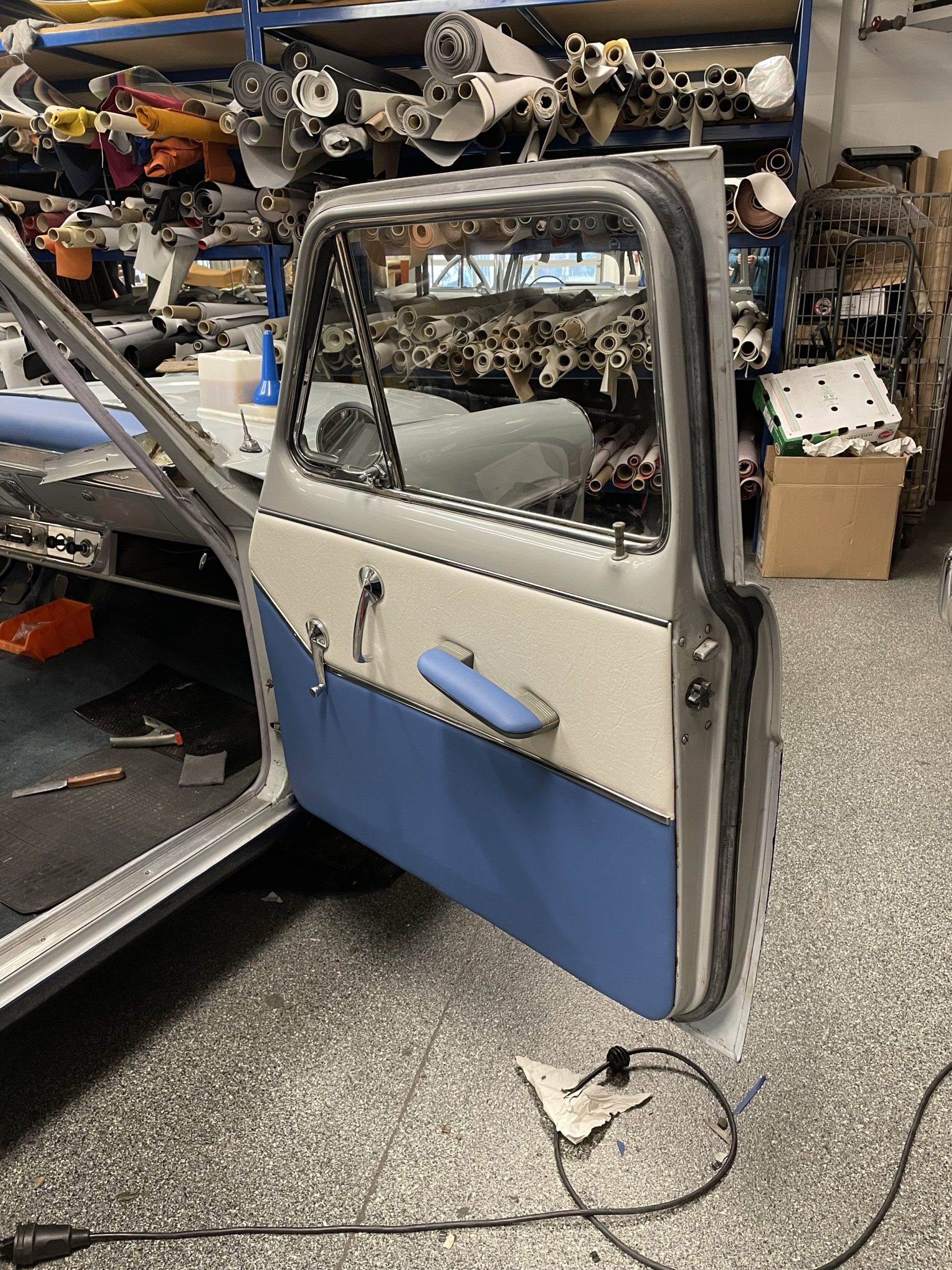
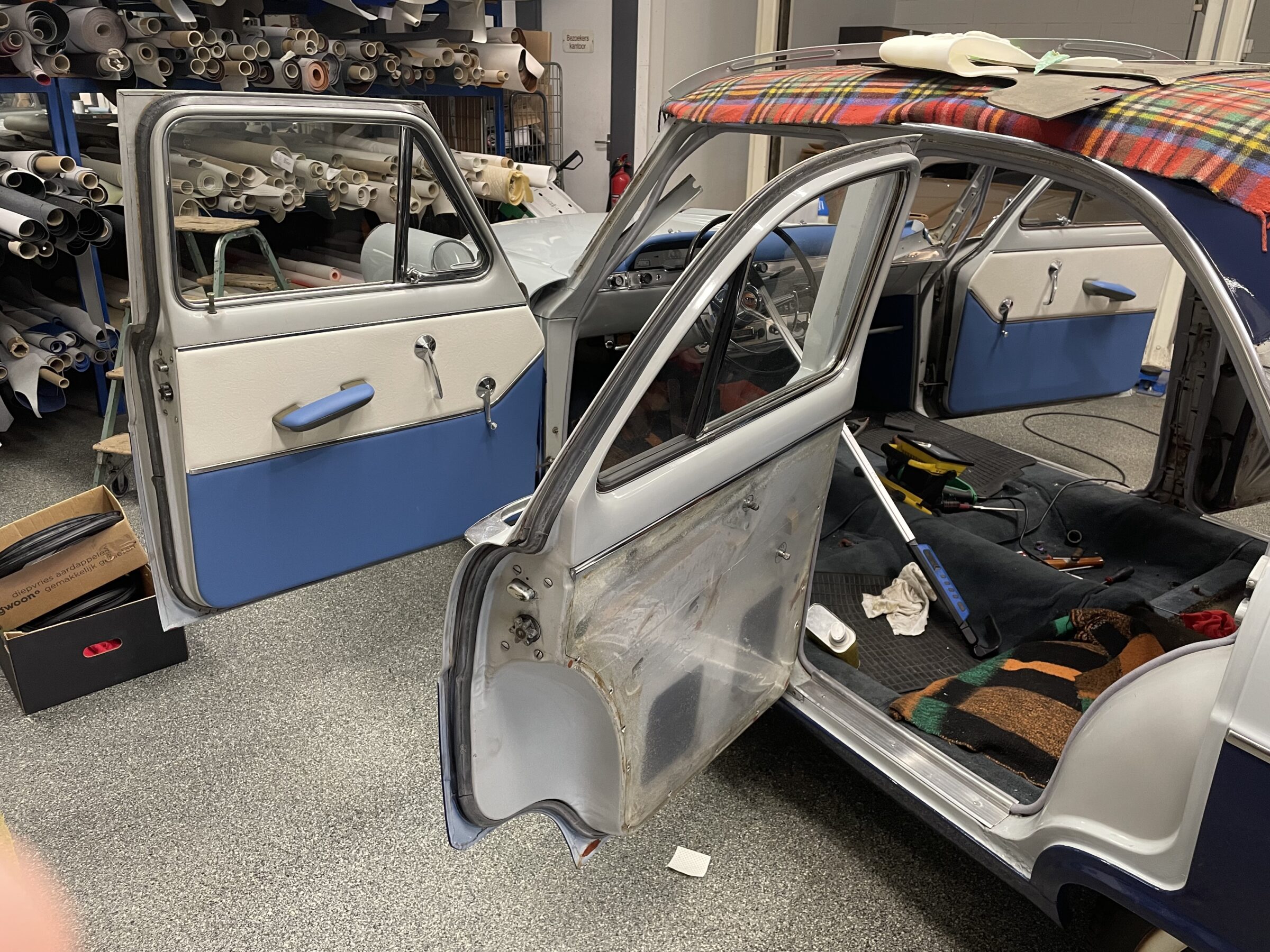
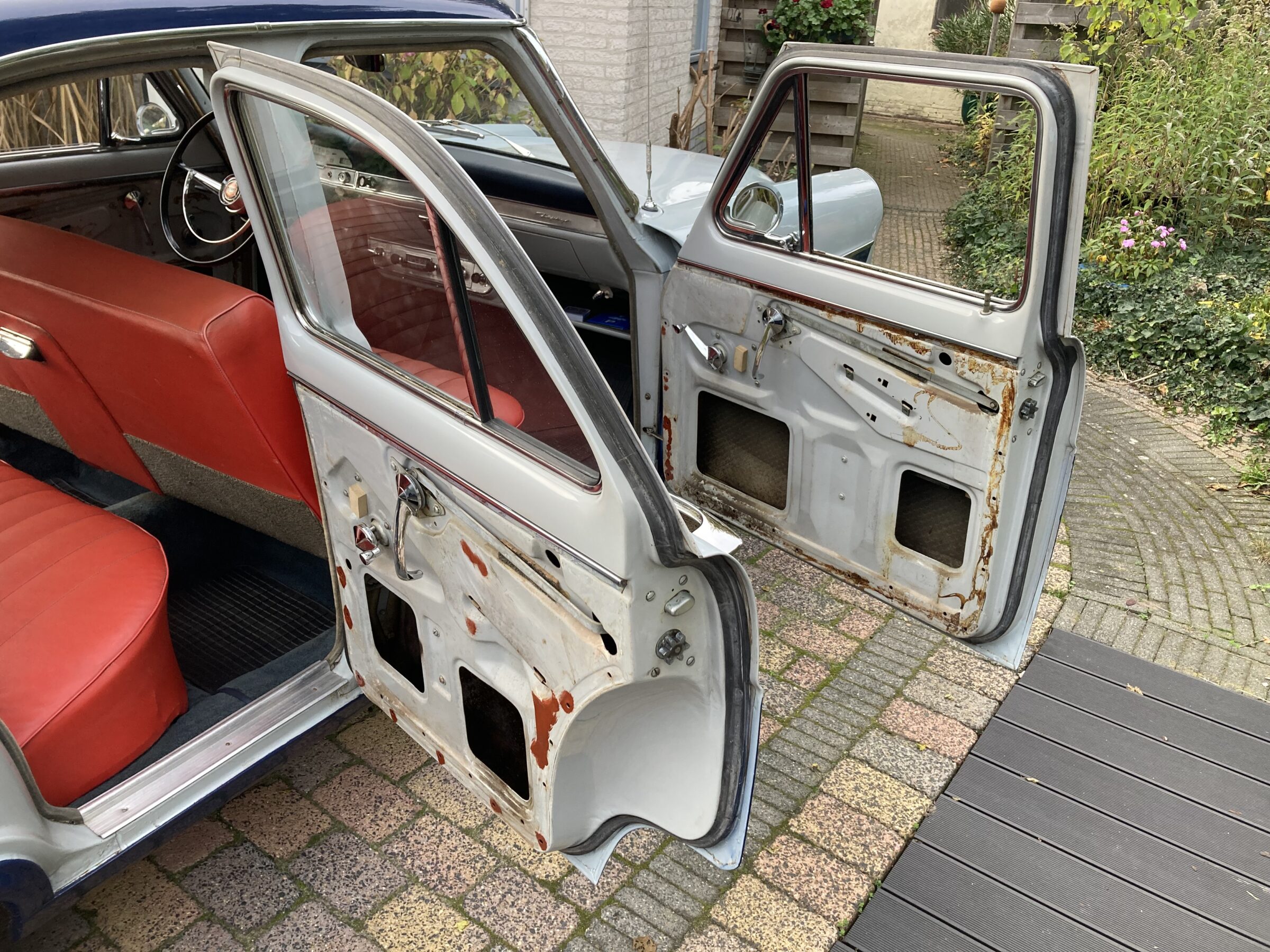
Below are a few photos showing the interior modifications and the replacement of the window seals. You can also view an Albelli photo book.